¿Te preguntas cuándo conviene financieramente usar una tarjeta de transferencia de saldo ? Si tienes deudas de tarjetas de crédito con altas tasas de interés, transferir tu saldo a una tarjeta con intereses bajos o nulos puede reducir tus pagos y acelerar el pago de la deuda. Sin embargo, esta estrategia no es beneficiosa para todos y, en ocasiones, puede empeorar tu situación financiera. Esta guía explica exactamente cuándo vale la pena usar una tarjeta de transferencia de saldo y cuándo deberías evitarla.
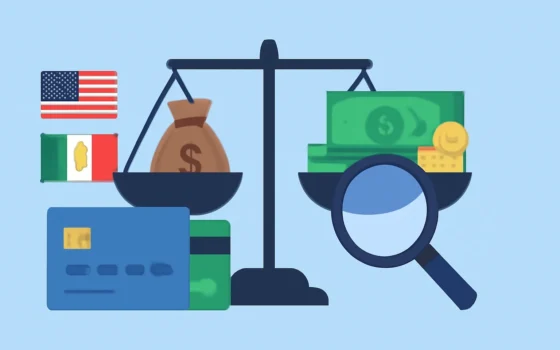
Comprender las condiciones para que las transferencias de saldo sean efectivas puede evitarle cargos ocultos y dañar su historial crediticio. Ya sea que viva en Estados Unidos o México, conocer los detalles le ayudará a maximizar sus ahorros y evitar costosos inconvenientes.
¿Qué es una tarjeta de crédito con transferencia de saldo y cómo funciona?
Una tarjeta de crédito con transferencia de saldo te permite transferir la deuda pendiente de una o más tarjetas de crédito existentes a una nueva tarjeta, generalmente con un período inicial de tasa de interés baja o del 0%. El objetivo es reducir o eliminar los intereses durante ese período promocional, lo que permite liquidar la deuda más rápidamente.
Así es como suele funcionar:
- Solicitas una tarjeta con una atractiva oferta de transferencia de saldo.
- Una vez aprobada la solicitud, deberá proporcionar los detalles de las deudas que desea transferir.
- El banco emisor liquida los saldos anteriores de su tarjeta de crédito hasta un límite de transferencia específico.
- Ahora debes esa cantidad a la nueva tarjeta de crédito, idealmente con una tasa de interés reducida o nula durante un tiempo limitado.
Las transferencias de saldo suelen conllevar una comisión de entre el 3 % y el 5 % del importe transferido. La TAE introductoria tiene una duración determinada, generalmente de 6 a 18 meses, tras la cual se aplica el tipo de interés habitual.
Beneficios clave y a quién va dirigido
- Ahorro en intereses: Reduzca drásticamente o elimine los cargos por intereses durante el período promocional, lo que puede ahorrarle cientos o miles de dólares si lo administra con prudencia.
- Pago acelerado de deudas: Al acumularse menos intereses, una mayor parte de su pago mensual reduce el saldo principal, lo que le ayuda a liquidar sus deudas más rápidamente.
- Consolidación y simplificación: Combine varias deudas de tarjetas de crédito en un solo pago, lo que facilita la gestión del presupuesto.
- Gestión de la puntuación crediticia: Si se utilizan correctamente, las transferencias de saldo pueden tener un impacto positivo en los índices de utilización del crédito al distribuir la deuda entre varias tarjetas.
Esta estrategia es ideal para consumidores con deudas considerables en tarjetas de crédito con intereses altos, dispuestos a comprometerse con un plan de pago disciplinado durante el período promocional. También resulta ventajosa para quienes pueden acceder a tarjetas con comisiones de transferencia mínimas o nulas.
Qué tener en cuenta
- Comisiones por transferencia de saldo: Transferir saldos generalmente conlleva comisiones que oscilan entre el 3% y el 5%, lo que puede contrarrestar el ahorro en intereses si no transfiere suficiente dinero o no amortiza la deuda rápidamente.
- Limitaciones en las transferencias: Las tarjetas pueden limitar la cantidad que puedes transferir, lo que restringe su utilidad para deudas grandes.
- Tasas más altas después del período introductorio: Cuando finaliza la TAE promocional, cualquier saldo restante acumula intereses a la tasa estándar de la tarjeta, que puede ser muy elevada.
- Impacto en la calificación crediticia: Solicitar una nueva tarjeta y realizar transferencias de saldo pueden reducir temporalmente la calificación crediticia; asimismo, agotar los límites de crédito puede aumentar los índices de utilización.
- Posible aumento de la deuda: Transferir un saldo pero seguir utilizando las tarjetas antiguas puede incrementar la deuda total, anulando los beneficios.
Paso a paso: Cómo usar una tarjeta de transferencia de saldo de manera efectiva
- Revise sus deudas actuales de tarjetas de crédito y las tasas de interés.
- Calcula el ahorro potencial comparando las comisiones por transferencia y los intereses que evitarías.
- Busca tarjetas de transferencia de saldo con tasas de interés introductorias bajas o del 0% y comisiones mínimas; consulta las ofertas disponibles tanto en Estados Unidos como en México, si corresponde.
- Solicita la tarjeta, asegurándote de cumplir con los requisitos de ingresos y crédito.
- Solicita transferencias de saldo desde tus tarjetas existentes dentro del límite de crédito.
- Elabore un presupuesto estricto que asigne fondos adicionales para liquidar el saldo transferido antes de que finalice el período de la promoción.
- Evite añadir nuevas compras a la tarjeta de transferencia de saldo a menos que también ofrezca una tasa de interés anual del 0% para compras, o páguelas de inmediato.
- Realice todos los pagos a tiempo para evitar perder los beneficios promocionales.
- Antes de que finalice el período introductorio, liquide el saldo total o considere cuidadosamente otra opción de transferencia.
Consejos para sacar el máximo provecho de una transferencia de saldo.
- Consulta las promociones sin comisiones por transferencia: algunas tarjetas eximen del pago de las comisiones por transferencia si la realizas dentro del plazo de la promoción.
- Pague más del mínimo: para obtener el máximo beneficio, priorice el pago del capital principal a un ritmo mayor que los pagos mínimos.
- Mantén abiertas tus tarjetas antiguas: No cierres tus cuentas de tarjetas de crédito antiguas de inmediato; sus límites de crédito ayudan a mejorar tu índice de utilización de crédito.
- Controla tu crédito: utiliza herramientas gratuitas para estar al tanto de los cambios en tu puntaje crediticio relacionados con nuevas consultas de crédito o saldos pendientes.
- No combines compras con transferencias: a menos que la tarjeta tenga una TAE del 0% en compras, evita nuevos gastos que empiecen a generar intereses de inmediato.
- Planifique con anticipación para la fecha de vencimiento: ajuste los plazos de pago al final del período de la promoción para evitar sorpresas.
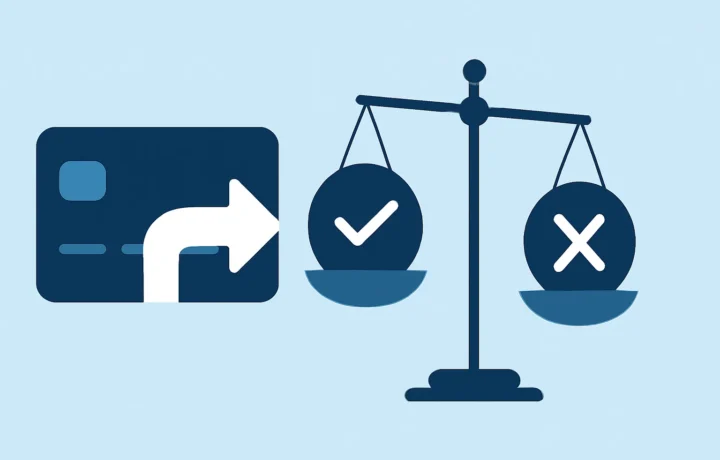
¿Merece la pena? Nuestra opinión
Las tarjetas de crédito para transferencia de saldo pueden ser una herramienta eficaz para reducir deudas con intereses altos y ahorrar dinero, especialmente si tienes la disciplina de pagar el saldo durante el período promocional. Si cumples los requisitos para obtener tarjetas con comisiones mínimas y límites de transferencia atractivos, vale la pena considerarlas para consolidar deudas y pagarlas más rápido.
Sin embargo, si tienes dificultades para administrar tu presupuesto o prevés mantener saldos pendientes más allá del período inicial, las comisiones y los consiguientes tipos de interés más altos suelen anular los beneficios. Además, si las comisiones por transferencia reducen demasiado tus ahorros o si planeas seguir acumulando deudas, no se recomiendan las transferencias de saldo.
En definitiva, una tarjeta de transferencia de saldo resulta útil para los consumidores en Estados Unidos y México que pueden usarla estratégicamente para pagar sus deudas existentes sin generar nuevos cargos. De lo contrario, explorar otras soluciones para aliviar la deuda o mejorar el presupuesto podría ser más conveniente.