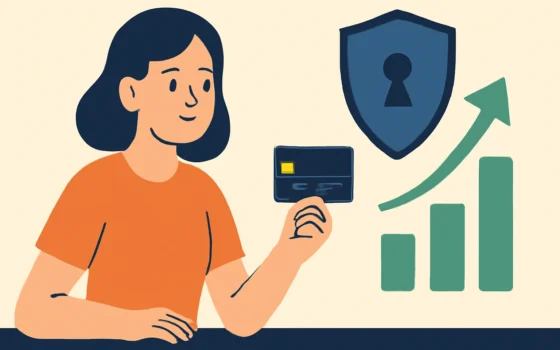
Las tarjetas de crédito con transferencia de saldo son una forma popular de gestionar la deuda, ya que permiten transferir los saldos pendientes a una nueva tarjeta con tasas de interés iniciales bajas o nulas. Sin embargo, no todos se benefician de esta herramienta financiera. Entender quiénes deberían usar tarjetas de crédito con transferencia de saldo y quiénes deberían evitarlas puede ahorrarle costosos errores y ayudarle a reducir su deuda de tarjetas de crédito de manera eficiente.
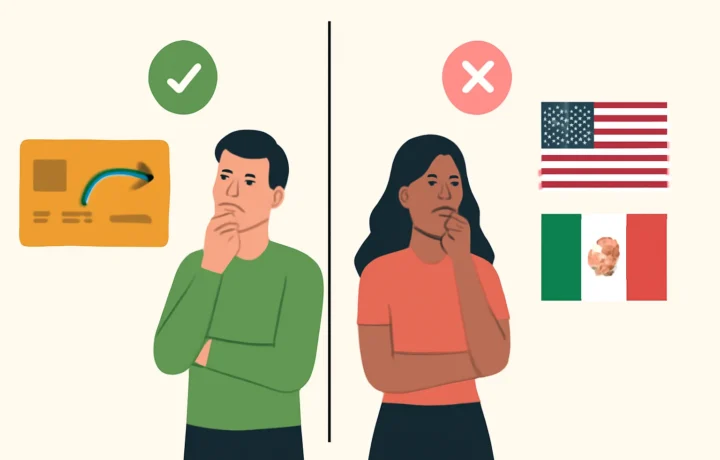
Esta guía explica qué son las tarjetas de crédito para transferencia de saldo, sus principales ventajas, posibles inconvenientes y pasos prácticos para decidir si esta opción se ajusta a su situación financiera tanto en el mercado estadounidense como en el mexicano.
¿Qué es una tarjeta de crédito con transferencia de saldo y cómo funciona?
Una tarjeta de crédito con transferencia de saldo es una tarjeta de crédito que le permite transferir la deuda existente de una o más tarjetas a la nueva tarjeta, generalmente ofreciendo un período promocional con un interés bajo o nulo.
El objetivo es reducir los intereses pagados sobre los saldos pendientes, lo que permite liquidar la deuda más rápidamente. Normalmente, estas tarjetas cobran una comisión por transferencia de saldo, que corresponde a un porcentaje del monto transferido.
Entre los términos importantes que debes conocer se incluyen:
- TAE introductoria: Un tipo de interés temporal, a menudo del 0%, con una duración de entre 6 y 18 meses.
- Comisión por transferencia de saldo: Generalmente entre el 3% y el 5% del importe transferido.
- TAE estándar: El tipo de interés que se aplica una vez finalizado el período introductorio.
En México, las transferencias de saldo no están tan extendidas, pero cada vez las ofrecen más las empresas fintech y algunos bancos tradicionales, aunque hay que tener en cuenta los matices regulatorios y las consideraciones cambiarias.
Beneficios clave y a quién va dirigido
- Ahorre en intereses: si tiene deudas de tarjetas de crédito con intereses altos, transferir los saldos a una tarjeta con un 0% de TAE puede reducir significativamente los costes y acelerar los pagos.
- Consolida múltiples deudas: Simplifica el pago combinando varias tarjetas en un solo pago mensual, mejorando así tu organización financiera.
- Mejora del flujo de caja a corto plazo: Un menor interés significa que se destina más dinero al capital, liberando fondos para otras necesidades.
- Oportunidad para mejorar su historial crediticio: El uso responsable de una tarjeta de transferencia de saldo, con pagos puntuales, puede mejorar su puntaje crediticio tanto en el sistema crediticio de Estados Unidos como en el de México.
Los candidatos ideales para las tarjetas de crédito con transferencia de saldo son:
- Personas con saldos elevados en tarjetas de crédito que buscan reducir los intereses.
- Prestatarios con ingresos estables que puedan liquidar el saldo transferido dentro del período promocional.
- Los consumidores tienen la suficiente disciplina financiera como para evitar acumular nuevas deudas en otras tarjetas.
Qué tener en cuenta
- Las comisiones por transferencia de saldo pueden acumularse: la comisión típica del 3-5% puede anular los ahorros si la cantidad transferida es elevada.
- Periodos promocionales cortos: Una vez que expire la TAE introductoria, los saldos restantes podrían estar sujetos a tipos de interés elevados.
- Las nuevas compras pueden generar intereses: algunas tarjetas cobran intereses sobre las nuevas compras de forma inmediata, por lo que transferir saldos no impide que aumente la deuda.
- Impacto en la calificación crediticia: Solicitar un nuevo crédito genera consultas de crédito exhaustivas, y un alto uso del crédito puede reducir temporalmente la calificación.
- Factores cambiarios y regulatorios: En México, los usuarios deben verificar el tipo de cambio y las comisiones si transfieren saldos entre cuentas o tarjetas en dólares estadounidenses y pesos mexicanos.
Paso a paso: Cómo usar eficazmente una tarjeta de crédito con transferencia de saldo
- Revisa tus deudas actuales: calcula el saldo total de tus tarjetas de crédito, las tasas de interés y los pagos mensuales.
- Investiga las ofertas de transferencia de saldo: compara tarjetas con tasas de interés introductorias bajas o nulas, comisiones por transferencia y duración.
- Comprueba si cumples los requisitos: Asegúrate de que tu historial crediticio y tus ingresos cumplen con los requisitos para obtener la tarjeta.
- Solicita la tarjeta: Hazlo a través del banco o la plataforma fintech, leyendo atentamente todos los términos y condiciones.
- Iniciar transferencia de saldo: Proporcione los detalles de las deudas que desea transferir. Algunos emisores permiten solicitudes de transferencia en línea, otros requieren llamadas telefónicas.
- Crea un plan de pago: Elabora un presupuesto para liquidar el saldo transferido antes de que finalice la TAE promocional.
- Evite contraer nuevas deudas: limite o deje de usar sus tarjetas actuales para evitar acumular nuevos saldos.
- Supervise su cuenta: haga un seguimiento de los pagos y los extractos para asegurarse de que la transferencia se procese correctamente y de que no se cobren intereses innecesarios.
Consejos para sacar el máximo provecho de las tarjetas de transferencia de saldo
- Solicite la transferencia poco después de recibir su último extracto: las transferencias suelen hacerse efectivas a partir de la fecha del extracto, lo que maximiza los períodos sin intereses.
- Utilice las transferencias estratégicamente: considere transferir solo las deudas con los intereses más altos para obtener el mayor ahorro.
- Pague más del mínimo: Acelere el pago para reducir los intereses totales una vez que finalice la promoción.
- Configura alertas y recordatorios: Asegúrate de realizar los pagos a tiempo para evitar recargos por intereses o la pérdida de las tarifas promocionales.
- Planifique las comisiones por adelantado: Incluya las comisiones por transferencia de saldo en su análisis de costo-beneficio antes de comprometerse.
¿Merece la pena? Nuestra opinión
Para los consumidores con tasas de interés superiores al 5% en sus tarjetas de crédito, un buen historial crediticio y una gran disciplina para evitar nuevas deudas, las tarjetas de crédito con transferencia de saldo pueden ser una herramienta eficaz para reducir los intereses y saldar la deuda más rápidamente. Especialmente en Estados Unidos, donde numerosas emisoras de tarjetas compiten con ofertas atractivas, esta solución puede ahorrar cientos o miles de dólares.
En México, las transferencias de saldo están ganando popularidad, pero aún son limitadas. Los usuarios deben revisar cuidadosamente los términos y las comisiones, especialmente en lo que respecta a divisas y opciones de tecnología financiera. Si no planea liquidar el saldo dentro del período inicial o tiende a acumular nuevas deudas, probablemente esta no sea la mejor opción.
En definitiva, conviene comparar las opciones, calcular el ahorro potencial descontando las comisiones y asegurarse de contar con un plan de pago sólido. Quienes busquen mejorar sus finanzas reduciendo sus deudas se beneficiarían de incorporar una tarjeta de transferencia de saldo a su estrategia, mientras que quienes tengan ingresos inestables o un historial crediticio deficiente quizás prefieran explorar otras soluciones para aliviar su deuda.