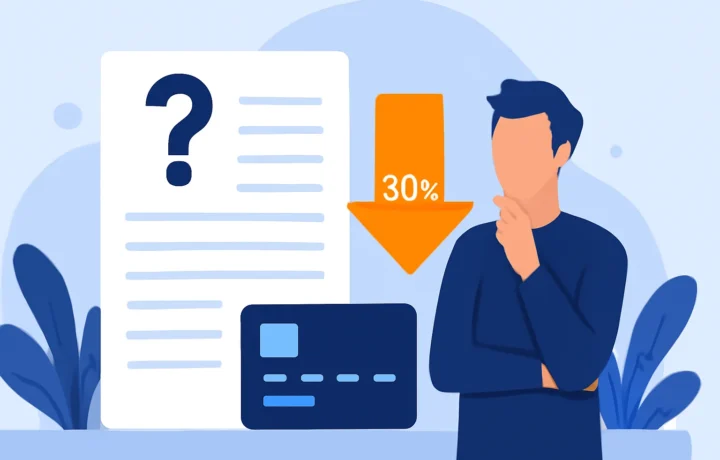
¿Tienes problemas con una factura de tarjeta de crédito elevada? Muchos consumidores en Estados Unidos y México buscan maneras efectivas de reducir sus facturas de tarjeta de crédito en un 30 % o más. Esta guía responde a las preguntas más frecuentes sobre cómo reducir los pagos mensuales, administrar los saldos y evitar cargos adicionales.
Al comprender las estrategias prácticas y los posibles problemas, podrá controlar sus gastos de crédito y mejorar su salud financiera. Siga leyendo para obtener respuestas claras y prácticas adaptadas a sus necesidades.
¿Qué es un extracto de tarjeta de crédito y cómo funciona?
El estado de cuenta de tu tarjeta de crédito es el extracto que recibes cada mes, donde se detallan todas las compras, comisiones, intereses y pagos realizados. Incluye el saldo pendiente y el pago mínimo. Comprender este estado de cuenta es fundamental para gestionar y reducir tu factura de tarjeta de crédito .
Las tarjetas de crédito permiten pedir dinero prestado hasta un límite establecido y devolverlo a plazos. Se aplican intereses a cualquier saldo pendiente tras el ciclo de facturación. También pueden aplicarse comisiones por pagos atrasados, adelantos en efectivo o por exceder el límite de crédito.
Principales ventajas de reducir la factura de tu tarjeta de crédito en un 30%
- Menores gastos mensuales: Reducir su factura en un porcentaje significativo libera dinero para ahorrar o para gastos esenciales.
- Mejora de la puntuación crediticia: Reducir los saldos pendientes disminuye el índice de utilización del crédito, lo que repercute positivamente en la calificación crediticia tanto en las agencias de crédito de Estados Unidos como de México.
- Reducción de los intereses: Pagar más del saldo mínimo disminuye el total de intereses con el tiempo, lo que le permite ahorrar dinero.
- Mejor control financiero: Aprender a gestionar eficazmente tu tarjeta de crédito te ayudará a evitar futuras espirales de deuda o comisiones excesivas.
Este enfoque es ideal para los consumidores que tienen saldos elevados en sus tarjetas de crédito, que pagan principalmente el importe mínimo o que desean recuperar la estabilidad financiera.
Qué tener en cuenta al intentar reducir la factura de su tarjeta de crédito
- Trampas del pago mínimo: Pagar solo el mínimo prolonga la deuda y aumenta los costos de los intereses.
- Riesgos de la transferencia de saldos: Transferir saldos a tarjetas con tasas de interés más bajas puede implicar comisiones o límites durante el período promocional.
- Ignorar cargos y penalizaciones: Los pagos atrasados o el exceso de límites de crédito pueden generar cargos costosos que anulan sus esfuerzos.
- El uso excesivo de adelantos en efectivo: estos suelen tener tasas de interés más altas y no incluyen período de gracia.
- Ofertas abusivas: Tenga cuidado con las soluciones rápidas que podrían perjudicar su historial crediticio o endeudarlo aún más.
Paso a paso: Cómo reducir el 30% de la factura de tu tarjeta de crédito.
- Revise su estado de cuenta: Identifique todos los cargos, comisiones y tasas de interés que aparecen en el extracto de su tarjeta de crédito.
- Realice un pago superior al mínimo: incluso un pequeño aumento reduce los intereses y acorta el plazo de amortización.
- Negocie con su emisor: solicite tasas de interés más bajas o la exención de ciertas comisiones; muchos prestamistas ofrecen opciones para casos de dificultades económicas.
- Considere la posibilidad de transferir saldos: traslade las deudas con intereses altos a una tarjeta con una TAE más baja, pero revise las comisiones y las condiciones.
- Establezca un presupuesto estricto: limite el uso de la tarjeta de crédito y priorice los pagos para evitar que aumenten las deudas.
- Utilice pagos automatizados: Evite recargos y penalizaciones por pagos atrasados programando sus pagos a tiempo.
- Supervise su factura periódicamente: haga un seguimiento mensual de su factura para mantenerse dentro de los objetivos y ajustar su estrategia.
Consejos para sacar el máximo provecho de la reducción de la factura de su tarjeta de crédito.
- Utilice una calculadora de pago de deudas: Calcule cómo los pagos adicionales aceleran el pago y ahorran en intereses.
- Evite compras innecesarias: suspenda los gastos no esenciales hasta que el saldo de su tarjeta esté bajo control.
- Explora las herramientas fintech: Muchas aplicaciones ayudan a controlar los gastos y a optimizar las estrategias de pago.
- Combina pagos: Consolida las deudas más pequeñas de tarjetas de crédito en un préstamo personal si la tasa de interés es mejor.
- Comprenda los ciclos de facturación: pague antes de las fechas límite para reducir los intereses de las nuevas compras.
¿Merece la pena? Nuestra opinión sobre cómo reducir las facturas de tarjetas de crédito en un 30%.
Reducir el saldo de tu tarjeta de crédito en un 30% no solo es posible, sino también muy beneficioso para la mayoría de los consumidores. Disminuye el estrés financiero, mejora el historial crediticio y ahorra en intereses. Para quienes enfrentan deudas con altos intereses o presupuestos ajustados en Estados Unidos y México, vale la pena considerar cuidadosamente estas medidas.
Sin embargo, si su deuda es muy elevada o tiene problemas para controlar sus gastos impulsivos, busque asesoramiento profesional o consultoría financiera además de estos métodos. En general, vale la pena comparar sus opciones, encontrar la que mejor se adapte a su perfil y comprometerse con hábitos de pago consistentes para lograr una buena salud financiera a largo plazo.