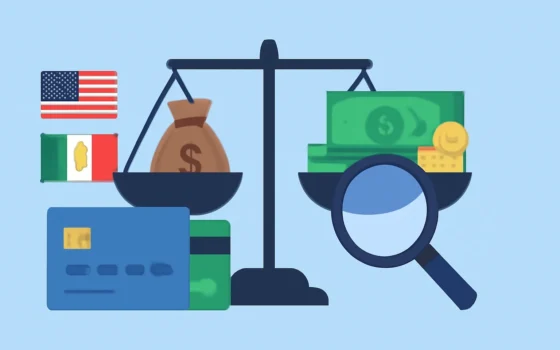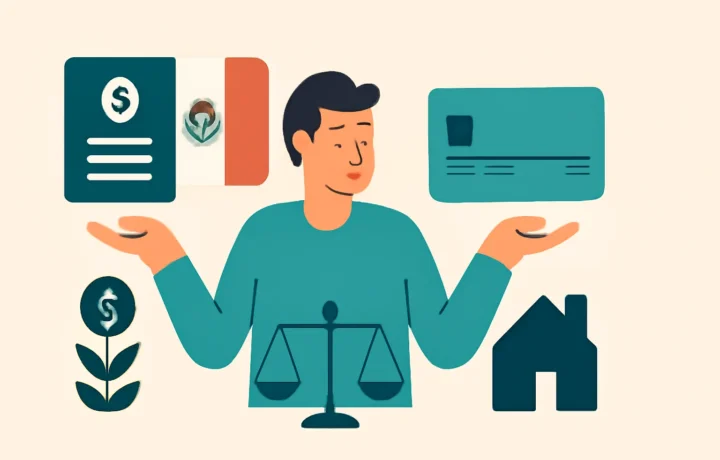
Elegir entre préstamos personales y tarjetas de crédito es un dilema financiero común para los mexicanos que viven en Estados Unidos. Ambos productos crediticios ofrecen comodidad y acceso a fondos, pero sus beneficios, costos y riesgos difieren significativamente según el uso. Comprender estas diferencias ayuda a elegir la herramienta crediticia adecuada para administrar gastos, construir un historial crediticio o financiar compras importantes de manera efectiva.
En este artículo, exploramos las principales diferencias entre los préstamos personales y las tarjetas de crédito, centrándonos en comparaciones prácticas adaptadas al entorno financiero de los mexicanos residentes en Estados Unidos. Ya sea que busques consolidar deudas, afrontar gastos imprevistos o realizar compras planificadas, saber cuándo solicitar un préstamo o usar una tarjeta de crédito puede mejorar tu bienestar financiero y ayudarte a ahorrar.
¿Qué es un préstamo personal frente a una tarjeta de crédito y cómo funcionan?
Los préstamos personales son préstamos a plazos con un monto fijo, generalmente otorgados por bancos, cooperativas de crédito o prestamistas en línea. Una vez aprobados, usted recibe una suma global que debe reembolsar durante un plazo determinado con interés fijo o variable. Estos préstamos suelen requerir una verificación de crédito e información de ingresos, pero pueden ofrecer una tasa de interés más baja que las tarjetas de crédito.
Las tarjetas de crédito ofrecen una línea de crédito rotativa que puedes usar repetidamente hasta tu límite. Realizas pagos mensuales basados en tu saldo pendiente, y los intereses se aplican solo a los montos no pagados después del período de gracia. Las tarjetas de crédito ofrecen comodidad, recompensas y flexibilidad, pero sus tasas de interés suelen ser más altas que las de los préstamos personales.
Ambas opciones requieren un buen conocimiento de las comisiones, el cálculo de intereses y las condiciones de pago para evitar la acumulación de deudas perjudiciales.
Beneficios clave y a quién va dirigido
- Los préstamos personales son ideales para financiar gastos importantes y planificados, como reformas del hogar, gastos de boda o consolidación de deudas, debido a sus tipos de interés generalmente más bajos y a su calendario de pagos fijo.
- Las tarjetas de crédito son ideales para las compras diarias, pequeños gastos imprevistos y para construir un historial crediticio con un uso responsable. Suelen ofrecer programas de recompensas, protección de compras y ventajas para viajes, especialmente útiles para quienes viajan al extranjero.
- Los mexicanos que residen en el extranjero y son nuevos en el sistema bancario estadounidense podrían encontrar útiles los préstamos personales para cubrir necesidades financieras predecibles, mientras que las tarjetas de crédito ofrecen flexibilidad y ayudan a establecer un historial crediticio.
Qué tener en cuenta
- Los préstamos personales pueden conllevar comisiones de apertura, penalizaciones por pago anticipado y criterios de elegibilidad estrictos, lo que puede resultar un desafío para los recién llegados sin un historial crediticio establecido en los Estados Unidos.
- Las tarjetas de crédito suelen tener tipos de interés más altos, especialmente si los saldos se mantienen mes a mes, lo que conlleva una costosa acumulación de deudas.
- Ambas situaciones pueden afectar negativamente la calificación crediticia si se incumplen los pagos o si el uso del crédito es elevado, por lo que una gestión disciplinada es fundamental.
Paso a paso: Cómo elegir entre un préstamo personal y una tarjeta de crédito
- Evalúa tus necesidades de financiación: ¿Se trata de un gasto importante que se realiza una sola vez o de compras más pequeñas y recurrentes?
- Consulta tu historial crediticio y tus documentos financieros para determinar si cumples los requisitos para obtener productos de préstamo.
- Compara las tasas de interés, las comisiones y los plazos de amortización de préstamos y tarjetas de crédito de entidades financieras estadounidenses y mexicanas.
- Calcula el coste total del préstamo, incluyendo comisiones e intereses, en función del periodo de uso previsto.
- Considere su capacidad de pago a tiempo; fija al usar préstamos, variable con tarjetas de crédito.
- Solicita el producto que mejor se ajuste a tus objetivos y posibilidades financieras.
Consejos para sacarle el máximo partido
- Para préstamos personales, compare las tasas de interés para encontrar las más competitivas, especialmente entre las cooperativas de crédito y los prestamistas en línea que se especializan en productos crediticios para inmigrantes.
- Utiliza tarjetas de crédito con recompensas que se ajusten a tus hábitos de gasto, como viajes o compras de supermercado, para maximizar los beneficios.
- Pague siempre el importe total de su tarjeta de crédito cada mes para evitar altos intereses.
- Configura pagos automáticos para evitar recargos por mora y mantener un buen historial crediticio.
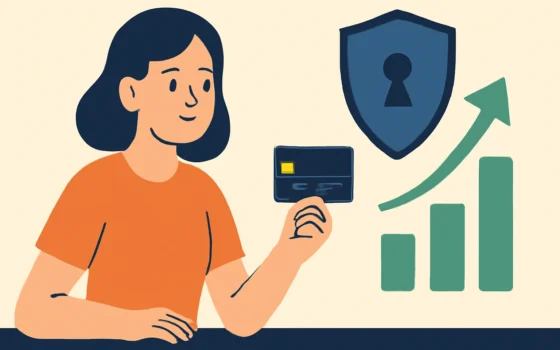
- Mantén el uso de tus tarjetas de crédito por debajo del 30% para influir positivamente en tu puntaje crediticio.
¿Merece la pena? Nuestra opinión
Para los mexicanos que viven en Estados Unidos, la decisión entre préstamos personales y tarjetas de crédito depende en gran medida del propósito del préstamo y de su estabilidad financiera. Los préstamos personales ofrecen una financiación rentable para gastos importantes o planificados, con plazos de pago claros. Las tarjetas de crédito brindan flexibilidad y recompensas para el uso diario, pero pueden resultar costosas si no se gestionan adecuadamente.
Conviene comparar las ofertas específicas y comprobar cuál se ajusta mejor a tus hábitos de gasto y perfil crediticio antes de solicitar un préstamo. Si necesitas un plan de pago predecible y un interés bajo, los préstamos personales suelen ser la mejor opción. Para mayor flexibilidad, comodidad y para construir un buen historial crediticio, las tarjetas de crédito pueden ser la mejor alternativa.
En definitiva, utilizar ambas herramientas con prudencia garantiza que aproveches sus ventajas sin caer en costosas trampas de endeudamiento.