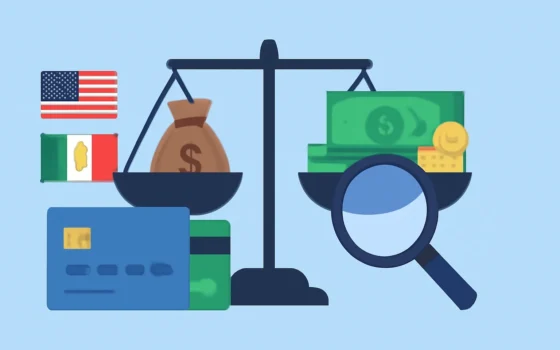
Para quienes buscan maximizar sus beneficios, es fundamental comprender los cambios recientes en los programas de recompensas de las tarjetas de crédito . Muchos consumidores estadounidenses y mexicanos dependen en gran medida de las recompensas para sus compras diarias, pero la evolución de los términos y las políticas de vencimiento puede afectar el valor que obtienen de sus tarjetas.
Este artículo analiza los cambios recientes en los programas de recompensas de tarjetas de crédito y cómo estos afectan tu capacidad para ganar y canjear puntos, reembolsos en efectivo o millas de viaje. Al finalizar, sabrás cómo adaptar tu estrategia para seguir beneficiándote de las recompensas de las tarjetas de crédito a pesar de los cambios en las reglas.
Ya sea que utilices tus tarjetas para la compra de alimentos, viajes o gastos empresariales, estos consejos prácticos te ayudarán a proteger tus recompensas y evitar la pérdida de valor.
¿Qué es un programa de recompensas de tarjetas de crédito y cómo funciona?
Un programa de recompensas de tarjetas de crédito es un sistema donde los titulares de la tarjeta obtienen beneficios, como puntos, millas o reembolsos en efectivo, según sus gastos. Las recompensas pueden obtenerse como un porcentaje de cada compra o como puntos fijos por cada dólar gastado en categorías específicas.
Estos beneficios están diseñados para fomentar el uso de la tarjeta y la fidelización. Cada emisor de tarjeta tiene sus propios términos para obtener, canjear y hacer caducar las recompensas. La terminología común incluye:
- Puntos: Créditos acumulados canjeables por mercancía, viajes o créditos en el estado de cuenta.
- Millas: Recompensas relacionadas con viajes que se pueden usar para vuelos o estancias en hoteles.
- Reembolso en efectivo: Devolución porcentual directa sobre compras elegibles, que a menudo se puede canjear como crédito en el estado de cuenta o como depósito.
- Caducidad de las recompensas: El período tras el cual las recompensas no utilizadas desaparecen.
- Bonificaciones por categoría: Recompensas adicionales en categorías de gasto específicas, como restaurantes o gasolina.
Los recientes cambios introducidos por los principales emisores de tarjetas en Estados Unidos y México han modificado estos aspectos, afectando a la forma en que los titulares de tarjetas obtienen y utilizan las recompensas.
Beneficios clave y a quién va dirigido
- Mayor potencial de ganancias: Las categorías de bonificación actualizadas te permiten optimizar tus gastos para ganar más puntos o reembolsos en efectivo por tus compras diarias.
- Opciones de canje flexibles: Algunos programas han ampliado las formas de canjear recompensas, incluyendo transferencias a socios de viajes o créditos en el estado de cuenta, ofreciendo mayor valor y comodidad.
- Protección contra la caducidad: Los cambios en las políticas de caducidad pueden conservar tus recompensas durante más tiempo, algo esencial para los usuarios ocasionales.
- Ideal para quienes realizan compras frecuentes: Consumidores que utilizan tarjetas de crédito con regularidad en EE. UU. o México y que desean maximizar el valor de sus recompensas.
- Aficionados a los viajes y al estilo de vida: Aquellos que utilizan puntos de viaje o recompensas especiales para vuelos, hoteles o experiencias.
Qué tener en cuenta
- Categorías de bonificación reducidas: Algunos emisores han reducido las categorías de bonificación, tanto rotativas como permanentes, de las que disfrutaban anteriormente los titulares de tarjetas.
- Umbrales de canje más estrictos: Los límites mínimos de pago o los nuevos límites en ciertos canjes pueden retrasar o reducir la posibilidad de utilizar las recompensas.
- Riesgos de caducidad: A pesar de las mejoras, algunos programas imponen la caducidad tras un periodo de inactividad o establecen una fecha de caducidad fija.
- Aumento de las comisiones: Algunas tarjetas aumentan sus comisiones anuales para compensar la ampliación de las recompensas, lo que reduce el beneficio neto si no se aprovechan al máximo las bonificaciones.
- Aceptación transfronteriza limitada: Los titulares de tarjetas en México deben tener cuidado con las tarjetas que tengan menos acuerdos con comercios asociados o que cobren comisiones más altas por transacciones en el extranjero.
Paso a paso: Cómo adaptar su estrategia de recompensas a los cambios recientes
- Revise los términos actualizados de su tarjeta: comience por consultar el último boletín de recompensas o los términos de su emisor de tarjeta, centrándose en las categorías, la fecha de vencimiento y las reglas de canje.
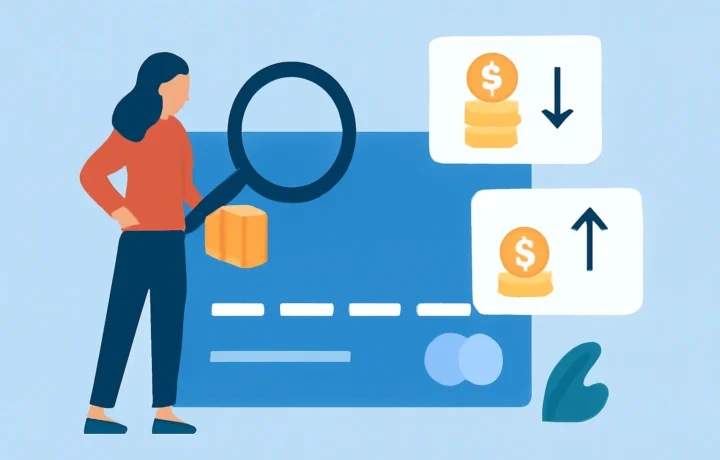
- Controla tus categorías de gasto: identifica dónde gastas más y relaciona las categorías de bonificación de tu tarjeta con esas categorías.
- Considere la posibilidad de añadir tarjetas complementarias: algunos estadounidenses y mexicanos utilizan varias tarjetas (una para la compra de alimentos, otra para viajes) para maximizar las recompensas en todas las categorías.
- Configura recordatorios para la caducidad de tus recompensas: utiliza las alertas del calendario para canjear tus puntos antes de que caduquen.
- Canjea estratégicamente: explora nuevas opciones de canje, como transferencias a socios de viajes o productos de mayor valor, en lugar de reembolsos en efectivo.
Consejos para aprovechar al máximo las recompensas de las tarjetas de crédito.
- Usa tu tarjeta para pagar facturas: paga tus facturas o suscripciones recurrentes con tu tarjeta de recompensas siempre que sea posible para acumular puntos de forma constante.
- Regístrate para recibir alertas sobre categorías de bonos: muchos emisores notifican a los usuarios sobre bonos rotativos; regístrate para recibir estas actualizaciones a tiempo.
- Evite cargos innecesarios: Realice sus gastos dentro de categorías que eviten comisiones por transacciones en el extranjero o costos de conversión de divisas, algo especialmente importante para los usuarios radicados en México.
- Combinar puntos entre los miembros de la familia: Algunos programas permiten agrupar puntos, lo que facilita un canje más rápido.
- Supervise las promociones: Siga los sitios web de tecnología financiera o los boletines informativos de los emisores para estar al tanto de las ofertas por tiempo limitado o las bonificaciones elevadas.
¿Merece la pena? Nuestra opinión
Con los ajustes recientes, los programas de recompensas de tarjetas de crédito siguen ofreciendo beneficios tangibles, pero requieren una gestión más activa. Los consumidores que usan tarjetas de crédito con regularidad y se toman el tiempo para comprender los términos actualizados pueden mantener o incluso aumentar el valor de sus recompensas.
Para usuarios poco frecuentes o aquellos con tarjetas de crédito con comisiones crecientes y reglas restrictivas, las recompensas podrían dejar de justificar los costos. Conviene comparar las opciones cuidadosamente, sobre todo si vives en México, donde las comisiones por transacciones transfronterizas pueden reducir rápidamente los beneficios.
En definitiva, quienes adapten sus hábitos de gasto, se mantengan informados sobre los cambios en los programas y elijan tarjetas que se ajusten a su estilo de vida, obtendrán valiosas recompensas. Quienes no lo hagan deberían replantearse su estrategia de tarjetas de crédito, quizás centrándose más en tarjetas con bajas comisiones y menos en programas de recompensas.