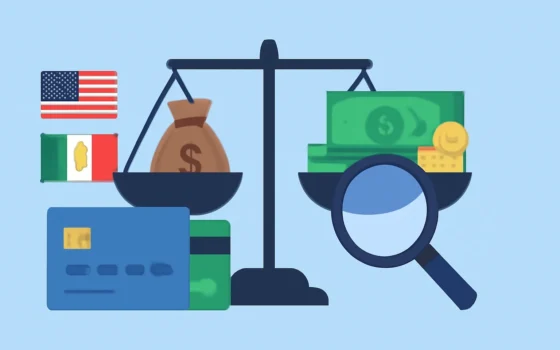
Struggling with high credit card debt? A balance transfer credit card might be the solution to save on interest and pay down your balance faster. But how do you know if it's the right choice for your financial situation? Understanding key factors like fees, credit scores, and repayment plans can help you make a smart decision and avoid common pitfalls.
In this article, you'll discover what balance transfer credit cards are, who benefits most from them, and how to evaluate if applying for one makes sense for your personal financial goals in both the US and Mexico markets.
What Is a Balance Transfer Credit Card and How It Works
A balance transfer credit card allows you to move existing credit card debt from one or more cards onto a new card, often with a low or 0% introductory annual percentage rate (APR) for a set period. This means you can pay less interest while focusing on reducing your debt.
Here are important terms to know:
- Introductory APR: The promotional interest rate that applies during the initial months (usually 6 to 18 months).
- Balance Transfer Fee: The percentage of the transferred amount, typically between 3% and 5%, charged upfront.
- Regular APR: The interest rate that applies once the promotional period ends.
In the US and Mexico, balance transfers are popular among consumers looking to reduce credit card interest costs. But qualification depends on your credit score, income, and payment history.
Key Benefits and Who It Is For
- Significantly reduce interest charges: If you have high-interest credit card debt, moving it to a card with a 0% introductory APR can save money and accelerate payoff.
- Simplify payments: Consolidating balances means managing fewer payments, reducing late fee risks.
- Build credit if used wisely: Making on-time payments during the promotional period can improve your credit score.
This option generally suits:
- Consumers with existing credit card debt looking to lower interest costs.
- Those confident they can pay off transferred balances before the promotional APR ends.
- Individuals with fair to excellent credit scores who can qualify for attractive offers.
What to Watch Out For
- Balance transfer fees: Paying a 3%-5% fee upfront can offset some interest savings if your transfer amount is large.
- Temporary relief: Once the introductory period expires, regular interest rates apply, often higher than original cards.
- Qualification challenges: Low credit scores may result in rejection or less favorable offers.
- Avoid new purchases: New purchases on some cards may not have promotional rates and could accrue interest immediately.
- Potential impact on credit utilization: Opening new credit lines can affect your credit score temporarily.
Step-by-Step: How to Evaluate and Apply for a Balance Transfer Credit Card
- Assess your current debt: Total balances, interest rates, monthly payments, and projected payoff time.
- Check your credit score: Knowing your credit range helps identify qualifying card options.
- Compare offers: Look for lowest balance transfer fees, longest 0% APR periods, and no hidden charges.
- Calculate potential savings: Factor in transfer fees, monthly payments, and interest saved.
- Review card terms carefully: Confirm fees on new purchases, penalty APR, and payment due dates.
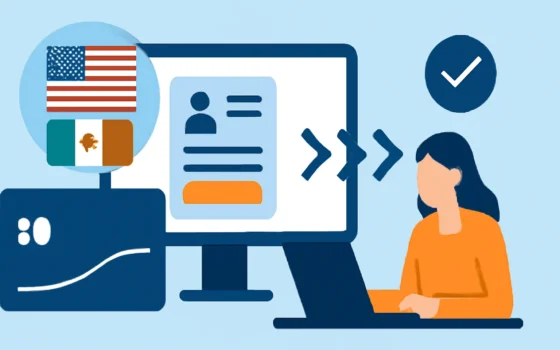
- Apply to the selected card: Prepare documentation like ID, income proofs for the application.
- Initiate balance transfer: Once approved, request transfers from your old cards through the new card issuer.
- Stick to a payoff plan: Prioritize paying off the transferred amount before the promotional period ends to maximize savings.
Tips to Get the Most Out of a Balance Transfer Credit Card
- Avoid adding new purchases to the balance transfer card to prevent immediate interest charges.
- Set up automatic payments to never miss due dates and protect your promotional APR.
- Pay more than the minimum monthly payment to reduce principal faster.
- Make a clear payoff plan to avoid leftover balances once the promotional period expires.
- Check for offers specific to Mexico or US residents, terms and fees can vary by country.
- Keep track of your credit utilization and avoid applying for multiple cards in a short time.
Is It Worth It? Our Take
Balance transfer credit cards can be a powerful tool to cut interest costs and regain control over credit card debt — but they are not a one-size-fits-all solution. If you have a solid plan to pay off your debt within the promotional period and qualify for a low-fee, long-term 0% APR offer, then applying can make smart financial sense. However, if your credit score limits your options or if you might only make minimum payments, you may end up paying more in fees and interest.
Careful evaluation and a disciplined payment approach are essential. It is worth comparing balance transfer cards to other debt management alternatives like personal loans or credit counseling. For many consumers in both the US and Mexico facing high credit card rates, a well-chosen balance transfer card can be a valuable step toward financial freedom.