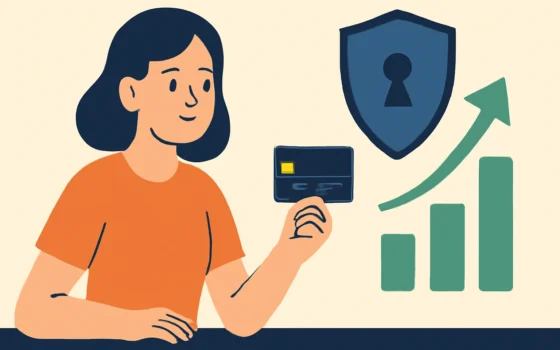
Facing high credit card debt can feel overwhelming, especially in the US and Mexico where interest rates vary widely. A balance transfer credit card promises a way out with low or 0% introductory APR offers, but is it truly worth it? Understanding how these cards work and weighing their real costs can help you make an informed decision.
We break down what balance transfers mean, the benefits they offer, pitfalls to watch out for, and step-by-step guidance to use them effectively. This honest cost-benefit analysis aims to help you find the best options to reduce your credit card debt burden.
What Is a Balance Transfer Credit Card and How It Works
A balance transfer credit card allows you to move existing debt from one or more credit cards onto a new card, generally with a lower interest rate for a fixed promotional period. This process lowers the amount of interest you pay, enabling faster debt repayment.
Key terms you will encounter include:
- Introductory APR: The low or 0% interest rate offered for a limited time, usually 6 to 18 months.
- Balance transfer fee: The percentage charged on the amount transferred, typically between 3% and 5%.
- Regular APR: The interest rate that applies after the promotional period ends.
In the context of US and Mexican credit markets, card features and fees can vary, so comparing offers tailored for your region ensures you get the best deal.
Key Benefits and Who It Is For
- Lower Interest Costs: Shifting high-rate debt to a card with a 0% or low introductory APR reduces interest accrued, helping you pay off principal faster.
- Simplified Payments: Consolidate multiple debts onto a single card, making monthly payments easier to track and manage.
- Credit Score Impact: Responsible use can improve your credit utilization ratio and credit history, enhancing your credit score over time.
The ideal candidates for balance transfer credit cards are individuals with existing credit card balances accruing high interest, who are disciplined enough to pay down debt during the promotional period. Those planning large purchases without a plan to pay off transferred balances may find these cards less beneficial.
What to Watch Out For
- Balance Transfer Fees: The typical 3%–5% fee can offset savings if your debt is small or you do not pay down the balance quickly.
- Higher Regular APR After Promo: Once the introductory period expires, outstanding balances are subject to higher interest rates.
- Impact on Credit Score: Opening a new credit card incurs a hard inquiry and may temporarily lower your score. Carrying high balances relative to your limit can also hurt your credit utilization.
- Delayed Payments and Penalties: Missing payments might void the introductory APR, causing retroactive interest charges.
Being fully aware of these risks ensures you don't unintentionally increase your debt or harm your credit.
Step-by-Step: How to Use a Balance Transfer Credit Card Effectively
- Assess Your Debt: Calculate current credit card balances, interest rates, and monthly payments.
- Compare Offers: Look for balance transfer cards with the lowest fees, longest 0% APR periods, and card terms suited to US or Mexican consumers.
- Check Eligibility: Review credit score requirements and application guidelines to ensure you qualify.
- Apply for the Card: Submit an application, keeping current financial details ready.
- Request Balance Transfer: After approval, initiate the transfer by providing the details of your existing debts.
- Create a Repayment Plan: Calculate monthly payments to clear transferred balances within the promotional timeline.
- Make Timely Payments: Pay at least the minimum each month to avoid losing promotional benefits.
- Avoid New Debt: Limit new purchases on the card to prevent additional balances accruing high interest after the promo period.
Tips to Get the Most Out of a Balance Transfer Credit Card
- Transfer Early: Perform balance transfers soon after opening the card to maximize the promotional period.
- Pay More Than Minimum: Accelerate debt payoff to avoid interest charges when the introductory rate expires.
- Track Promotional Deadlines: Set reminders to pay off or transfer balances before the end of the 0% APR period.
- Understand Fees: Compare balance transfer fees across cards to avoid negating savings.
- Review Credit Limits: Choose cards with limits that comfortably cover your transferred balances to keep utilization ratios low.
Is It Worth It? Our Take
Balance transfer credit cards can be a powerful tool to reduce credit card debt interest and simplify payments, making them worthwhile for those with high-interest debt and a structured repayment plan. However, the value depends heavily on how disciplined you are in repaying within the introductory period and how well you understand related fees.
If you qualify for a card with low or no balance transfer fees and can pay off debt before the standard APR kicks in, it is definitely worth comparing your options. Conversely, if you expect to carry balances beyond the promo period or add new purchases without a payoff plan, a balance transfer card may not reduce your costs.
Ultimately, evaluating your personal financial situation, credit profiles in the US or Mexico, and available card offers will guide you to the best choice for debt management and cost savings.