Encuentra las mejores tarjetas de crédito para transferencia de saldo que te ayudarán a reducir el costo de tu deuda.
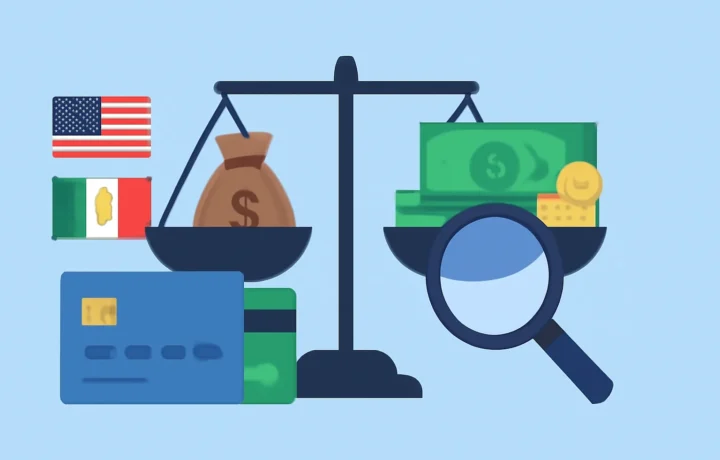
¿Tienes problemas con los altos intereses de tu tarjeta de crédito? Elegir la tarjeta de crédito adecuada para transferir tu saldo puede ahorrarte cientos o miles de dólares al reducir o eliminar los intereses de tus saldos actuales.
Ya sea que vivas en Estados Unidos o México, encontrar las mejores opciones de transferencia de saldo que se ajusten a tu perfil financiero y crediticio es fundamental. Esta guía explica cómo funcionan estas tarjetas, sus beneficios más valiosos y qué errores debes evitar.
¿Qué es una tarjeta de crédito con transferencia de saldo y cómo funciona?
Una tarjeta de crédito con transferencia de saldo te permite transferir la deuda pendiente de una o más tarjetas de crédito a una nueva, a menudo con una tasa de interés introductoria baja o del 0% durante un período determinado. En lugar de pagar intereses altos de forma continua, realizas pagos sobre el saldo transferido con esta tasa promocional, lo que puede reducir significativamente el costo de la deuda.
Estas tarjetas suelen cobrar una comisión por transferencia de saldo (un porcentaje del monto transferido), y el período promocional con una tasa de interés anual del 0% dura de 6 a 21 meses. Después de ese período, se aplica la tasa de interés estándar al saldo restante.
Para los consumidores estadounidenses y mexicanos, las tarjetas de crédito para transferencia de saldo pueden ser ofrecidas por bancos, empresas fintech o cooperativas de crédito. Cada emisor tiene reglas diferentes sobre qué saldos califican y los límites de transferencia.
Beneficios clave y a quién va dirigido
- Pagos de intereses más bajos: Reduzca o suspenda los intereses de la deuda acumulada en tarjetas de crédito para amortizar el capital más rápidamente.
- Consolidación de deudas: Combine los saldos de varias tarjetas en uno solo, simplificando así los pagos mensuales.
- Gestión del flujo de caja: Libere fondos que antes se destinaban a intereses altos para otros gastos o ahorros.
- Impacto en la calificación crediticia: Si se utiliza de forma responsable, los pagos puntuales de una tarjeta de transferencia de saldo pueden mejorar su perfil crediticio.
Las tarjetas de transferencia de saldo son ideales para consumidores con deudas de tarjetas de crédito que buscan reducir los intereses. Son adecuadas para quienes pueden liquidar el saldo transferido dentro del período promocional para maximizar sus ahorros.
Qué tener en cuenta
- Comisiones por transferencia de saldo: Normalmente entre el 3% y el 5% del importe transferido, lo que puede contrarrestar parte del ahorro en intereses.
- Periodos introductorios cortos: Si la deuda no se paga antes de que finalice la promoción, se aplicarán tipos de interés más altos sobre los saldos restantes.
- Nuevas compras: Los tipos de interés de los nuevos cargos a menudo no se benefician del tipo de interés introductorio y pueden ser más altos que los de sus tarjetas originales.
- Requisitos de historial crediticio: La mayoría de las mejores ofertas requieren un historial crediticio de bueno a excelente, lo que limita el acceso para algunos prestatarios.
- Impacto potencial en la utilización del crédito: Solicitar una nueva tarjeta puede provocar una disminución temporal de la puntuación crediticia.
Paso a paso: Cómo comparar y elegir la mejor tarjeta de transferencia de saldo
- Analice los saldos y las tasas de interés actuales de sus tarjetas de crédito para determinar cuánta deuda desea transferir.
- Consulta tu puntaje crediticio para comprender tu rango de elegibilidad para las mejores ofertas.
- Compara las tarjetas en función de la duración del período de interés inicial, las comisiones por transferencia de saldo, el tipo de interés estándar y cualquier recompensa o beneficio adicional.
- Lea atentamente los términos y condiciones para conocer los límites de transferencia, las comisiones por nuevas compras y las penalizaciones por pagos atrasados.
- Solicita la tarjeta que ofrezca la mejor combinación de bajas comisiones y un período introductorio suficiente para tu plan de pago.
- Complete la transferencia de saldo lo antes posible tras su aprobación para aprovechar al máximo la tasa de interés introductoria.
- Realiza pagos mensuales disciplinados, con el objetivo de liquidar el saldo antes de que finalice la promoción.
Consejos para sacarle el máximo provecho a una tarjeta de transferencia de saldo
- Comience transfiriendo primero los saldos con los intereses más altos para maximizar sus ahorros.
- Intenta no añadir nuevas compras a la tarjeta de transferencia a menos que tenga una promoción con un 0% de interés en compras.
- Mantén un margen en tu presupuesto que cubra al menos los pagos mínimos mensuales para evitar recargos por intereses.
- Configura pagos automáticos para asegurarte de no perderte nunca las fechas de vencimiento y así proteger la TAE inicial.
- Evalúa si la comisión por transferencia de saldo merece la pena en comparación con los intereses que ahorrarías.
Tarjetas de transferencia de saldo superiores
Descubre las principales tarjetas de crédito para transferencia de saldo con diferentes comisiones y tasas de interés introductorias diseñadas a medida para consumidores de Estados Unidos y México.
Comparar ofertas¿Merece la pena? Nuestra opinión
Las tarjetas de crédito con transferencia de saldo pueden ser una herramienta poderosa para reducir los intereses y acelerar el pago de deudas, pero solo si se usan estratégicamente. Si tienes un plan de pago claro y un buen historial crediticio, vale la pena comparar estas tarjetas para encontrar la que mejor se adapte a tu situación financiera.
Los consumidores con ingresos irregulares, mal historial crediticio o que no pueden comprometerse a pagar sus deudas antes de que finalice el período de interés inicial deberían considerar soluciones alternativas para la gestión de deudas. Siempre tenga en cuenta las comisiones y el posible impacto en su historial crediticio.
En definitiva, merece la pena explorar las tarjetas de crédito con transferencia de saldo como parte de una estrategia más amplia para recuperar el control de la deuda de tarjetas de crédito y, al mismo tiempo, minimizar los costes de intereses.