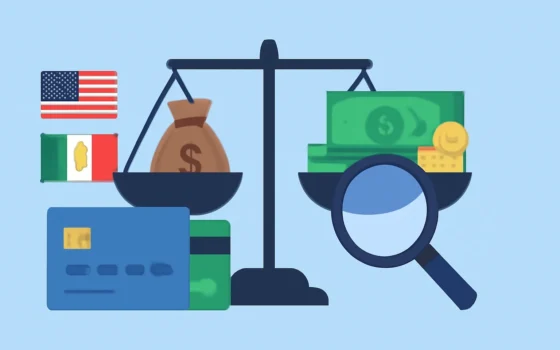
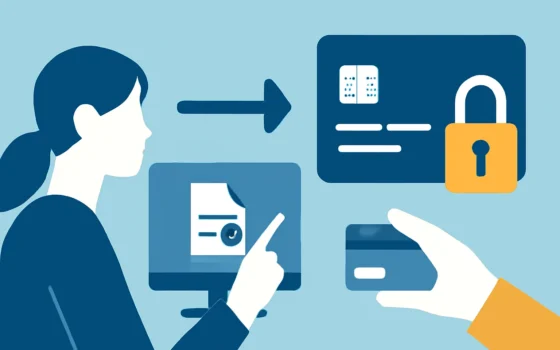
Asegure su futuro financiero con una herramienta de crédito segura y fácil de usar, incluso para principiantes.
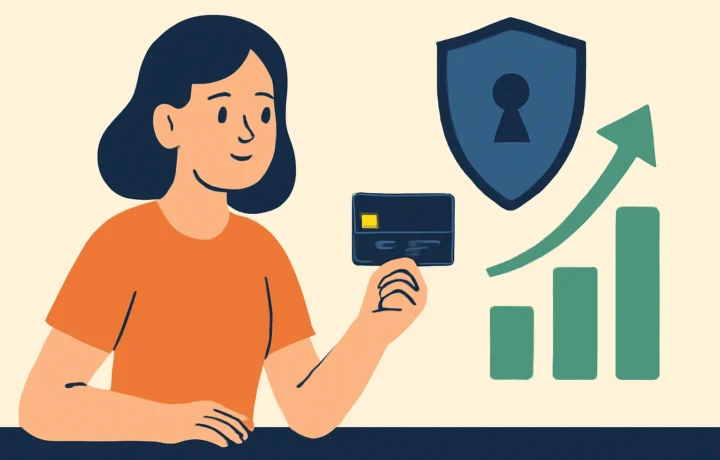
Comenzar a gestionar tu historial crediticio puede resultar confuso, sobre todo si eres nuevo en los sistemas financieros de Estados Unidos o México. Una tarjeta de crédito garantizada es una forma práctica y de bajo riesgo de construir o mejorar tu crédito sin preocuparte por acumular deudas elevadas.
Este artículo explica qué son las tarjetas de crédito garantizadas, cómo funcionan y quiénes se benefician más de ellas. También encontrarás consejos clave para aprovecharlas al máximo y qué riesgos debes considerar antes de solicitarlas.
¿Qué es una tarjeta de crédito garantizada y cómo funciona?
Una tarjeta de crédito garantizada es un tipo de tarjeta de crédito que requiere un depósito en efectivo como garantía, generalmente equivalente a su límite de crédito. A diferencia de las tarjetas de crédito convencionales, el depósito reduce el riesgo para el emisor de la tarjeta, lo que facilita la aprobación para personas con un historial crediticio deficiente o inexistente.
Si utilizas una tarjeta garantizada de forma responsable, realizando los pagos a tiempo y manteniendo los saldos bajos, podrás construir un historial crediticio positivo que se reportará a las agencias de crédito en Estados Unidos y a las agencias de informes crediticios en México.
Los términos clave que encontrará incluyen:
- Límite de crédito: La cantidad máxima que puedes gastar con la tarjeta, que suele ser igual a tu depósito.
- Depósito de garantía: Fondos que usted paga por adelantado para garantizar la línea de crédito.
- Informes de crédito: Proceso mediante el cual su historial de pagos se comparte con las agencias de crédito para elaborar su puntaje crediticio.
Beneficios clave y a quién va dirigido
Las tarjetas de crédito garantizadas ofrecen beneficios reales y directos:
- Accesible para principiantes: No necesitas historial crediticio ni ingresos elevados para poder optar a él.
- Gasto controlado: Tu depósito limita tu riesgo, lo que te ayuda a evitar gastos excesivos y la acumulación de deudas.
- Construya o reconstruya su historial crediticio: Los pagos puntuales mejoran gradualmente su puntaje crediticio, lo que le permite acceder a mejores opciones financieras en el futuro.
- Ampliamente aceptadas: Muchas tarjetas garantizadas funcionan en cualquier lugar donde lo hagan las principales tarjetas de crédito en Estados Unidos y México.
Esto hace que las tarjetas de crédito garantizadas sean ideales para los jóvenes que se inician en el mundo del crédito, los inmigrantes que establecen su historial crediticio en cualquiera de los dos países y las personas que se recuperan de problemas crediticios anteriores.
Qué tener en cuenta
Hay que tener en cuenta algunas ventajas y desventajas:
- Depósito inicial requerido: Su línea de crédito depende de cuánto pueda permitirse bloquear como garantía.
- Comisiones e intereses: Algunas tarjetas garantizadas cobran comisiones anuales o tipos de interés más elevados que las tarjetas no garantizadas.
- Recompensas limitadas: La mayoría de las tarjetas garantizadas ofrecen menos recompensas o ninguna.
- Impacto gradual en el historial crediticio: Construir un buen historial crediticio lleva tiempo; una tarjeta garantizada no es una solución rápida.
Comprender estos factores te ayudará a elegir la tarjeta que mejor se adapte a tu perfil financiero y a tus objetivos.
Paso a paso: Cómo solicitar una tarjeta de crédito garantizada
- Investiga las tarjetas de crédito garantizadas disponibles en tu región (EE. UU. o México), prestando especial atención a las comisiones, los depósitos mínimos y la información sobre el historial crediticio.
- Prepare su documentación: documento de identidad, comprobante de ingresos y comprobante de domicilio.
- Elige una tarjeta con condiciones claras; evita comisiones ocultas o excesivas.
- Solicita tu plaza online o en la sucursal, completando la solicitud con sinceridad.
- Realice el depósito de seguridad requerido para activar su línea de crédito.
- Reciba su tarjeta y comience a realizar pequeñas compras o pagos con ella.
- Pague el saldo completo cada mes para evitar intereses y construir un historial crediticio eficaz.
- Revise sus informes de crédito periódicamente para detectar actualizaciones y errores.
Consejos para sacarle el máximo provecho a una tarjeta de crédito garantizada
- Pague su factura a tiempo: configure recordatorios en su calendario o pagos automáticos.
- Mantén tu índice de utilización de crédito por debajo del 30% de tu límite de crédito.
- Utilice la tarjeta con moderación; lo ideal es usarla para gastos mensuales rutinarios como la compra de alimentos o las suscripciones.
- Verifique si existen tarjetas de crédito o débito que se conviertan en tarjetas de crédito o débito tras un uso responsable.
- Revisa tu puntaje crediticio cada pocos meses para hacer un seguimiento de tu progreso.
Las mejores tarjetas de crédito garantizadas de EE. UU.
Una tarjeta de crédito garantizada, ideal para principiantes, con bajas comisiones y que reporta a las principales agencias de crédito.
Solicita ahora¿Merece la pena? Nuestra opinión
Para quienes se inician en el mundo del crédito y buscan establecer o reparar su historial crediticio en Estados Unidos o México, una tarjeta de crédito garantizada es una de las herramientas financieras más inteligentes. Ofrece un equilibrio entre accesibilidad, control de riesgos y potencial para construir un buen historial crediticio.
Si tienes un historial crediticio limitado o buscas una forma segura de mejorar tu puntuación con un riesgo manejable, las tarjetas garantizadas son una buena opción. Sin embargo, si cumples los requisitos para obtener una tarjeta de crédito convencional con recompensas y menores costos, quizás sea preferible.
En definitiva, comprender tu situación financiera y tus necesidades te guiará a la hora de tomar la mejor decisión; para muchos, las tarjetas garantizadas son un punto de partida práctico.