Applying for a secured credit card is a straightforward process once you understand the required steps and documents. This practical guide walks you through what you need to qualify and how to complete your application successfully in the US or Mexico.
1. Check Your Eligibility
Most secured credit cards have minimal requirements, making them accessible even if you have no or poor credit. Basic eligibility typically includes being of legal age and having valid identification (such as a driver's license, passport, or national ID).
2. Research Secured Credit Cards Available in Your Area
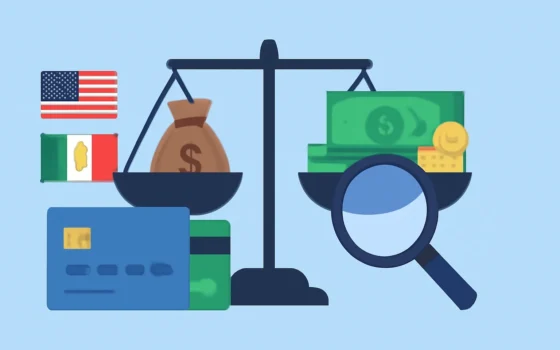
Not all secured cards are the same. Compare:
- Minimum security deposit required
- Annual fees and interest rates
- Whether they report to credit bureaus in the US or Mexican credit agencies
- Additional benefits or graduation options to unsecured cards
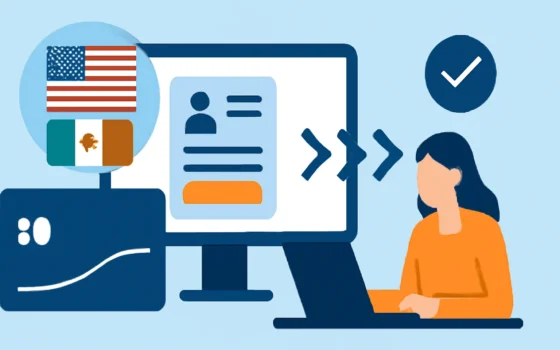
3. Gather Required Documents
Be prepared with the following documents at your application:
- Government-issued ID (eg, passport, driver's license)
- Proof of income or employment (pay stubs, bank statements)
- Proof of address (utility bills, lease agreements)
- Social Security Number (US) or Tax ID Number (Mexico) if required
4. Complete the Application
You can typically apply online, over the phone, or in-branch. Fill in personal information, financial details, and the amount of your security deposit.
Be truthful and double-check entries to avoid delays.
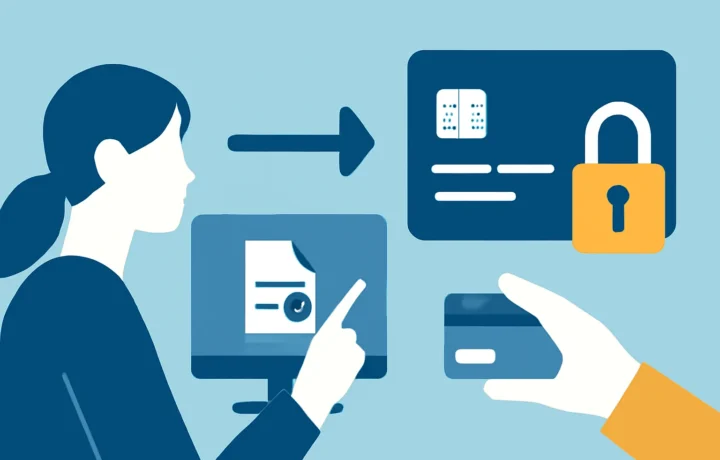
5. Make the Security Deposit
The security deposit usually equals your credit limit. You may transfer this electronically or pay in person. The funds are held by the card issuer and refunded when you close your account in good standing or upgrade to an unsecured card.
6. Activate Your Card and Start Using It
Once your application is approved and the deposit received, activate your card by following the issuer's instructions. Start using it for small purchases and pay the full balance each month.
7. Set Up Payment Reminders or Auto-Pay
To avoid fees or damage to your credit, timely payments are essential. Use your bank's tools or calendar alerts to stay on track.
8. Monitor Your Credit Progress
Check your credit report periodically for changes. This helps verify your credit-building efforts and catch any errors early.
9. Plan for Future Credit Opportunities
After responsible use, many issuers allow you to graduate to an unsecured credit card or refund your deposit. This step helps you advance your credit profile and possibly unlock rewards.