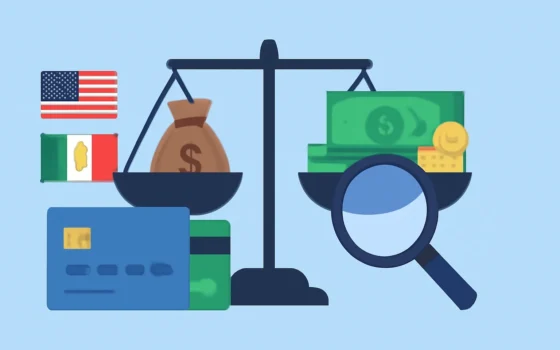
¿Tienes problemas con las deudas de tarjetas de crédito en Estados Unidos o México? Una tarjeta de transferencia de saldo puede parecer una solución prometedora para reducir los intereses y pagar las deudas más rápido. Pero, ¿vale la pena , considerando las comisiones, los plazos y tus hábitos financieros? Este análisis honesto de costo-beneficio te ayudará a tomar la mejor decisión para gestionar tus deudas de forma eficaz y ahorrar dinero.
Si mantienes saldos pendientes mes a mes, transferir la deuda a una tarjeta con una tasa de interés inicial baja o del 0% puede reducir los costos de intereses. Sin embargo, no todas las ofertas de transferencia de saldo son iguales, y la letra pequeña puede afectar significativamente tus posibles ahorros.
Le guiaremos a través de los principales beneficios, riesgos, un proceso paso a paso para presentar la solicitud, consejos para aprovechar al máximo la oferta y, en definitiva, si se ajusta a su perfil financiero.
¿Qué es una tarjeta de crédito con transferencia de saldo y cómo funciona?
Una tarjeta de crédito con transferencia de saldo te permite transferir la deuda de una o más tarjetas de crédito a una nueva, generalmente con una tasa de interés promocional más baja que la actual. El objetivo es pagar la deuda más rápido reduciendo los intereses acumulados.
Estas tarjetas suelen ofrecer un período introductorio con una tasa de interés anual del 0% o baja, que a menudo dura entre 12 y 18 meses, durante el cual las transferencias de saldo generan pocos o ningún interés. Transcurrido este período, se aplica la tasa de interés estándar de la tarjeta.
Entre los términos clave que encontrará se incluyen:
- Comisión por transferencia de saldo: Generalmente un porcentaje del monto transferido (normalmente entre el 3% y el 5%).
- TAE introductoria: El tipo de interés promocional que se aplica durante el período de la oferta.
- TAE estándar: El tipo de interés habitual que se aplica una vez finalizada la promoción.
- Límite de crédito: Cantidad máxima que puedes transferir y pedir prestada con la nueva tarjeta.
Comprender estos términos te ayudará a comparar ofertas y calcular si el cambio te permitirá ahorrar dinero en general.
Beneficios clave y a quién va dirigido
- Menores costes de intereses: Al transferir tus fondos a una tarjeta con un 0% de TAE durante un plazo determinado, reduces o eliminas los intereses, lo que te permite amortizar la deuda más rápidamente.
- Consolidación: Combina varias deudas de tarjetas de crédito en un solo pago mensual, simplificando así las finanzas.
- Reinicio del período de gracia: Algunas tarjetas reinician el período de gracia en las nuevas compras, lo que ayuda a evitar intereses si se gestionan cuidadosamente.
El candidato ideal es alguien con deudas de tarjetas de crédito con intereses altos, un buen historial crediticio para acceder a las mejores ofertas y un plan para liquidar los saldos antes de que finalice el período introductorio. Esto es especialmente valioso para los consumidores estadounidenses y mexicanos que manejan productos financieros distintos pero buscan estrategias efectivas para gestionar sus deudas.
Qué tener en cuenta
- Comisiones por transferencia de saldo: Las comisiones pueden contrarrestar los ahorros si el importe de la deuda es pequeño o el plazo de amortización es prolongado.
- Tasa de interés anual estándar elevada: Si no liquida el saldo transferido antes de que finalice el período promocional, podría enfrentarse a intereses elevados de forma retroactiva.
- Impacto en la puntuación crediticia: Solicitar nuevas tarjetas de crédito genera consultas de crédito formales, lo que puede reducir temporalmente su puntuación crediticia.
- Intereses por nuevas compras: Algunas tarjetas no aplican la TAE del 0% a las nuevas compras, lo que genera cargos por intereses no deseados.
- Restricciones del límite de crédito: Es posible que no pueda transferir el saldo total si el límite de la nueva tarjeta es inferior a su deuda actual.
Una lectura atenta de los términos y unos planes de pago realistas son esenciales para evitar problemas.
Paso a paso: Cómo usar eficazmente una tarjeta de crédito con transferencia de saldo
- Consulta tu historial crediticio: Un puntaje más alto mejora tus probabilidades de aprobación y te da acceso a mejores ofertas.
- Compara ofertas: busca tarjetas con una TAE introductoria del 0%, bajas comisiones por transferencia y un largo período promocional adaptado a tu calendario de pagos.
- Calcula los costos: utiliza calculadoras de deuda para estimar el ahorro en intereses menos las comisiones por transferencia.
- Solicita y espera la aprobación: Ten lista tu información financiera; la aprobación puede tardar algunos días.
- Iniciar la transferencia de saldo: Proporcione los datos de la tarjeta y los importes de cada deuda que desea transferir.
- Confirme la finalización de la transferencia: supervise tanto las cuentas antiguas como las nuevas para asegurarse de que los saldos se hayan transferido correctamente.
- Crea un plan de pago: Establece pagos para liquidar el saldo antes de que expire la tasa de interés introductoria.
- Evite realizar nuevas compras: a menos que su tarjeta aplique un 0% de TAE a las compras, minimice los nuevos gastos para evitar la acumulación de intereses.
Consejos para sacarle el máximo partido
- Pague más del mínimo: Aproveche al máximo el período sin intereses amortizando la mayor cantidad de capital posible cada mes.
- Configura pagos automáticos: Evita recargos por pagos atrasados o la pérdida del tipo de interés promocional.
- Lea la letra pequeña: confirme si las transferencias de saldo cuentan para el cálculo de su utilización de crédito y si las transferencias desde ciertas tarjetas están excluidas.
- Mantén bajo el uso de tu crédito: incluso con saldos transferidos, procura que el uso de tu crédito sea inferior al 30% para proteger tu historial crediticio.
- Planifica el final de la promoción: conoce la fecha exacta en que finaliza tu período de tasa baja para evitar cargos por intereses inesperados.
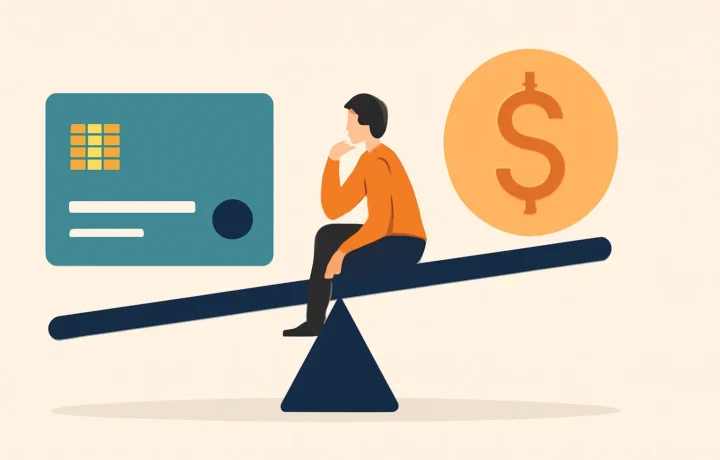
¿Merece la pena? Nuestra opinión
Las tarjetas de crédito con transferencia de saldo pueden ser una herramienta poderosa para reducir los costos de intereses y administrar la deuda de manera más eficiente, pero solo con un plan estratégico. Para los consumidores de Estados Unidos y México con deudas significativas de alto interés, las transferencias con una TAE introductoria del 0 % y comisiones razonables suelen ofrecer ahorros considerables.
Sin embargo, si el plazo para liquidar tu deuda supera el período promocional, las comisiones por transferencia son elevadas o tienes intención de mantener saldos pendientes, otras soluciones, como los préstamos personales o el asesoramiento crediticio, podrían resultar más rentables. Conviene comparar las opciones y comprobar cuál se ajusta mejor a tu historial crediticio y a tu capacidad de pago.
En resumen, si tiene un buen historial crediticio, un plazo claro para pagar la deuda y comprende completamente los términos, es probable que una tarjeta de crédito con transferencia de saldo valga la pena.