¿Estás considerando una tarjeta de crédito con transferencia de saldo para gestionar tus deudas? Encontrar la opción adecuada requiere más que solo solicitarla: comprender cómo funcionan las transferencias de saldo y sus verdaderos beneficios puede ahorrarte dinero y mejorar tu historial crediticio.
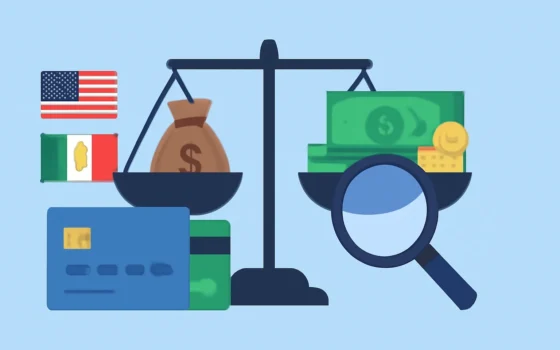
En este artículo, ofrecemos un análisis honesto de costo-beneficio de las tarjetas de crédito con transferencia de saldo, centrándonos en los mercados de Estados Unidos y México. Descubra quiénes se benefician realmente, qué precauciones tomar y cómo aprovechar al máximo estas ofertas.
Tanto si tienes deudas de tarjetas de crédito con intereses altos como si buscas consolidar deudas con intereses más bajos, esta guía te explica todo para que puedas tomar una decisión informada.
¿Qué es una tarjeta de crédito con transferencia de saldo y cómo funciona?
Una tarjeta de crédito con transferencia de saldo te permite transferir la deuda de una o más tarjetas a una nueva, ofreciendo generalmente un período inicial con un interés bajo o del 0% sobre el saldo transferido. El objetivo es reducir los costos de intereses y saldar la deuda más rápido.
Al solicitar una tarjeta de transferencia de saldo, normalmente se le indicará un plazo determinado, generalmente de 6 a 18 meses, durante el cual los intereses sobre el monto transferido son mínimos o nulos. Transcurrido este período, la tasa de interés vuelve a la TAE estándar de la tarjeta.
Normalmente, se aplica una comisión por transferencia de saldo, generalmente un porcentaje del monto transferido, lo que puede afectar sus ahorros. Es fundamental comprender términos como la Tasa de Porcentaje Anual (TAE), el período introductorio, la comisión por transferencia de saldo y el límite de crédito antes de solicitar un préstamo.
Beneficios clave y a quién va dirigido
- Menores costes de intereses: Al transferir los saldos a una tarjeta con una TAE introductoria del 0 % o baja, puede ahorrar significativamente en intereses, especialmente si amortiza el capital durante el período promocional.
- Consolidación de deudas: Combinar varias deudas de tarjetas de crédito en un solo pago mensual simplifica las finanzas y reduce el riesgo de impago.
- Mejora del flujo de caja: Reducir o eliminar temporalmente los intereses libera fondos para otros gastos esenciales o inversiones.
- Ideal para: Consumidores en EE. UU. y México con deudas de tarjetas de crédito con intereses altos que tengan un plan para pagar los saldos dentro del período introductorio para evitar tasas más altas posteriormente.
Qué tener en cuenta
- Comisiones por transferencia de saldo: Estas comisiones suelen oscilar entre el 3 % y el 5 % del importe transferido, y pueden contrarrestar el ahorro en intereses si se transfiere un saldo elevado.
- Tasas de interés elevadas después de la promoción: Si los saldos no se liquidan antes de que finalice el período introductorio, la TAE habitual puede ser muy alta, lo que aumentará los costes.
- Impacto en la puntuación crediticia: Solicitar nuevas tarjetas puede reducir temporalmente su puntuación crediticia, y los límites de crédito elevados también pueden afectar a los índices de utilización del crédito.
- Limitaciones en las transferencias: Los límites de crédito de las tarjetas nuevas pueden restringir la cantidad de deuda que puede transferir.
- Consideraciones sobre divisas: Para los mexicanos que utilizan tarjetas estadounidenses o viceversa, las comisiones por conversión de divisas y los tipos de cambio pueden generar costos adicionales.
Paso a paso: Cómo elegir y usar una tarjeta de crédito para transferencia de saldo
- Evalúa tu deuda: Calcula el total de tu deuda de tarjetas de crédito, los tipos de interés actuales y tu capacidad de pago mensual.
- Compara ofertas: Busca tarjetas que ofrezcan los períodos más largos con un 0% de interés y las comisiones por transferencia de saldo más bajas, adecuadas a tu perfil en Estados Unidos o México.
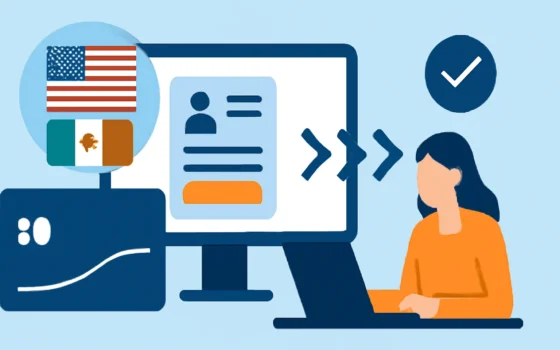
- Verificación de elegibilidad: Revise los requisitos de la solicitud, incluyendo el puntaje crediticio y los ingresos, para evitar consultas de crédito innecesarias.
- Solicitar e iniciar la transferencia: Una vez aprobada, solicita la transferencia de saldo de tus tarjetas existentes antes de que se generen nuevos cargos.
- Crea un plan de pago: aprovecha el período sin intereses para reducir tu saldo de forma significativa; considera la posibilidad de realizar pagos automáticos para garantizar los pagos puntuales.
- Controla tu cuenta: Haz un seguimiento de los pagos, el saldo restante y la fecha de finalización del período promocional para evitar intereses inesperados.
Consejos para sacarle el máximo provecho a una tarjeta de crédito con transferencia de saldo.
- Actúe con rapidez: Las transferencias suelen tener que realizarse en los pocos meses posteriores a la apertura de la cuenta para poder optar a las tarifas promocionales.
- Evite realizar nuevas compras: Muchas tarjetas cobran intereses regulares sobre las nuevas compras de inmediato, así que limite al mínimo el gasto con la nueva tarjeta.
- Pague más del mínimo: para eliminar la deuda antes de que finalice el período promocional y evitar sorpresas desagradables al momento del pago.
- Consulta las promociones: a veces, los emisores en EE. UU. y México ofrecen exenciones de comisiones o meses adicionales con un 0 % de TAE; compara precios.
- Mantén buenos hábitos crediticios: evita los pagos atrasados en cualquier tarjeta para mantener un buen historial crediticio y evitar recargos por mora.
¿Merece la pena? Nuestra opinión
Las tarjetas de crédito con transferencia de saldo pueden ser una herramienta eficaz para gestionar y reducir la deuda de tarjetas de crédito, especialmente para los consumidores estadounidenses y mexicanos que enfrentan altas tasas de interés. Si se usan con prudencia, reducen los gastos por intereses, simplifican los pagos y facilitan el pago más rápido de la deuda.
Sin embargo, no son una solución universal. Si no puede liquidar su saldo dentro del plazo promocional o si las comisiones superan los beneficios, las transferencias de saldo podrían resultar más caras. Si su puntaje crediticio es bajo o no cumple con los requisitos para acceder a buenas ofertas, sus opciones podrían ser limitadas.
En general, vale la pena comparar y considerar las tarjetas de transferencia de saldo si usted es una persona con disciplina financiera y tiene una estrategia de pago clara. Para quienes no están seguros de poder pagar o tienen deudas que podrían aumentar, opciones alternativas como los préstamos personales podrían ser más seguras.