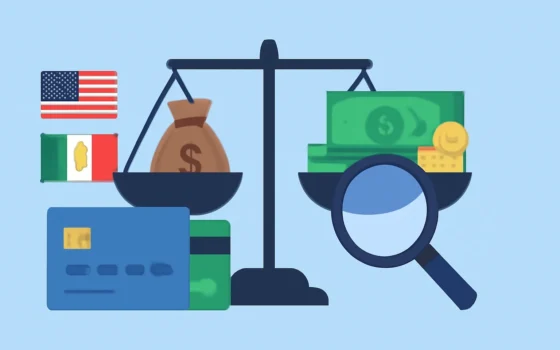
Entender las recompensas de las tarjetas de crédito puede ser confuso, sobre todo con tantos mitos circulando. Tanto si vives en Estados Unidos como en México, para sacarle el máximo provecho a tus programas de recompensas es necesario aclarar algunas ideas erróneas. Este artículo desvela los mitos y verdades más frecuentes sobre las recompensas de las tarjetas de crédito, ayudándote a ahorrar y ganar con mayor confianza.
Muchos consumidores no entienden cómo funcionan los programas de recompensas, lo que puede ocasionarles oportunidades perdidas o incluso errores costosos. Aclaramos estas dudas explicando cómo funcionan realmente estos programas y qué necesitas saber antes de solicitar o usar tus recompensas.
¿Qué son las recompensas de las tarjetas de crédito y cómo funcionan?
Las recompensas de las tarjetas de crédito son incentivos que ofrecen las entidades emisoras para fomentar el gasto y la fidelización. Suelen consistir en reembolsos en efectivo, puntos o millas de viaje que se acumulan en función de las compras.
Estos programas de recompensas varían mucho, pero la mayoría funcionan otorgando un porcentaje o una cantidad determinada de puntos por cada dólar gastado. Por ejemplo, una tarjeta podría ofrecer un reembolso del 1,5 % en todas las compras o 3 puntos por cada dólar gastado en categorías específicas como supermercados o restaurantes.
Una vez que acumules recompensas, podrás canjearlas por créditos en tu estado de cuenta, tarjetas de regalo, reservas de viajes u otros beneficios. Algunos programas incluso permiten transferir puntos a programas de viajero frecuente o de fidelización de hoteles.
Beneficios clave y a quién va dirigido
- Valor adicional en tus compras: Gana recompensas por tus compras diarias, convirtiendo tus gastos habituales en ahorros o beneficios.
- Ventajas para viajeros: Para los viajeros frecuentes, los puntos pueden desbloquear descuentos en vuelos, estancias en hoteles o mejoras de categoría.
- Flexibilidad en el reembolso: Las recompensas de reembolso se suman a tu presupuesto y, a menudo, se pueden canjear como créditos en el estado de cuenta o depósitos bancarios.
- Categorías de bonificación: Las tarjetas con categorías de bonificación rotativas o fijas ayudan a maximizar las recompensas en las áreas donde más gastas.
- Usuarios ideales: Los consumidores con un historial crediticio de bueno a excelente que pagan sus saldos mensualmente para evitar cargos por intereses son los que más se benefician de los programas de recompensas.
Qué tener en cuenta
- Tasas de interés elevadas: Mantener un saldo pendiente puede anular el valor de las recompensas debido a los costosos intereses.
- Reglas de canje complejas: Algunos programas tienen fechas restringidas, opciones de recompensa limitadas o políticas de vencimiento que reducen la flexibilidad.
- Cuotas anuales: No todas las tarjetas de recompensas son gratuitas; asegúrese de que las recompensas compensen las cuotas.
- Restricciones de categoría: Las recompensas adicionales pueden aplicarse solo a categorías de gasto específicas o requerir activación.
- Comisiones por transacciones en el extranjero: Las tarjetas sin esta comisión son fundamentales si viaja o realiza compras internacionales entre Estados Unidos y México.
Paso a paso: Cómo maximizar las recompensas de las tarjetas de crédito
- Compara las tarjetas en función de tus hábitos de gasto y los programas de recompensas.
- Solicita tarjetas que se ajusten a tus objetivos financieros y que tengan comisiones asequibles.
- Utilice la tarjeta principalmente para compras que generen las categorías de mayor recompensa.
- Liquide el saldo completo cada mes para evitar cargos por intereses.
- Supervise las fechas de vencimiento de sus recompensas y canjee sus puntos estratégicamente para obtener el máximo valor.
- Activa regularmente las categorías de bonificación y las ofertas especiales.
Consejos para sacar el máximo provecho de las recompensas de las tarjetas de crédito.
- Concentra tus gastos en una o dos tarjetas para alcanzar los umbrales de bonificación más rápidamente.
- Manténgase al tanto de las actualizaciones del programa de recompensas o de los cambios en los términos y condiciones.
- Utiliza aplicaciones móviles y portales en línea para ver ofertas y canjear recompensas fácilmente.
- Combina las recompensas con otros ahorros, como portales de compras o aplicaciones de descuentos.
- Tenga cuidado con las transferencias de saldo o los adelantos en efectivo, ya que a menudo no generan recompensas.
¿Merece la pena? Nuestra opinión
Las recompensas de las tarjetas de crédito pueden aportar un valor significativo, pero solo si se comprenden los programas y se utilizan estratégicamente. Vale la pena considerarlas si se tienen hábitos de gasto disciplinados y se paga el saldo completo cada mes.
Para quienes tienen deudas o prefieren la simplicidad, las tarjetas de recompensas podrían no ofrecer beneficios netos debido a las comisiones e intereses. En Estados Unidos y México, conviene comparar cuidadosamente las opciones y verificar qué programas de recompensas se ajustan a su perfil de gastos y planes de viaje.
En general, los usuarios informados que aprovechan las recompensas con inteligencia pueden disfrutar de beneficios financieros adicionales sin coste alguno.