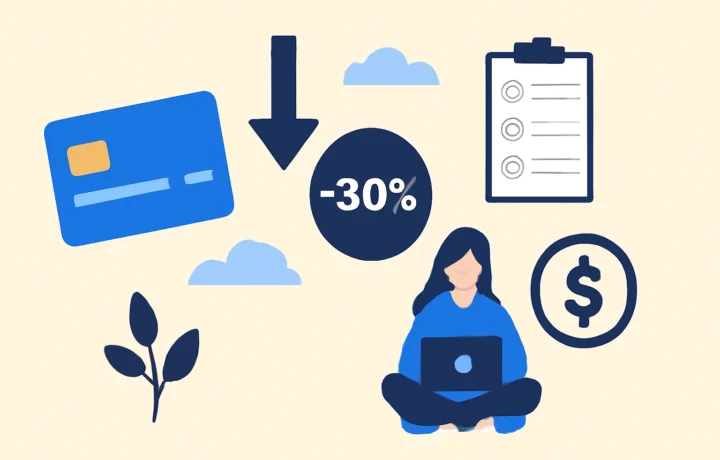
Struggling with high credit card bills in the US or Mexico? Reducing your credit card bill by 30% is possible with smart strategies. This article answers the most common questions on how to effectively lower your monthly payments, manage interest, and improve your credit standing.
If you want practical, provide steps to cut down your expenses without hurting your credit, keep reading. We'll cover everything from negotiating rates to smarter spending habits.
What Is Reducing Your Credit Card Bill and How It Works
Reducing your credit card bill means lowering the total amount you owe each month, which can be done by paying less interest, avoiding fees, or decreasing the principal balance faster. In the US and Mexico, credit card bills often include unpaid balances, interest charges, and fees, which together can make monthly payments difficult.
Key terms to know include: interest rate (APR), minimum payment , grace period , and balance transfer . Understanding these helps you better manage your bills and seek cost-saving options.
Key Benefits and Who It Is For
- Lower monthly expenses: Reducing your bill by 30% can free up cash flow for savings or essential expenses.
- Improved credit score: Paying down balances faster and avoiding late fees boosts your credit rating.
- Better financial control: Knowing how to negotiate or utilize balance transfers empowers you to manage debt effectively.
- Ideal for: Consumers in the US and Mexico with high credit card debt or rising minimum payments looking to ease financial pressure without taking new loans.
What to Watch Out For
- Negotiating interest rates or fees may not always succeed; some card issuers have strict policies.
- Balance transfers can have hidden fees and may impact your credit score temporarily.
- Reducing payments without adjusting spending habits can lead to prolonged debt cycles.
- Beware of offers promising quick debt reduction but involving high fees or unfavorable terms.
Step-by-Step: How to Reduce Your Credit Card Bill by 30%
- Review your statement: Identify high-interest cards and monthly fees.
- Call your issuer: Politely request a lower interest rate or waived fees, highlighting your payment history.
- Consider balance transfers: Move balances to cards with lower rates, but check transfer fees.
- Make extra payments: Pay more than the minimum to reduce principal faster and cut interest.
- Create a budget: Adjust spending to avoid accumulating new debt during this process.
- Explore debt consolidation: If multiple cards cause stress, a personal loan might offer better rates.
Tips to Get the Most Out of It
- Track spending weekly to stay within your set budget.
- Set up automatic payments to avoid late fees and penalties.
- Use mobile apps or online tools designed for credit management in the US and Mexico.
- Review credit card offers regularly to find better promotional rates or transfer deals.
- Communicate proactively with creditors if you anticipate payment difficulties.
Is It Worth It? Our Take
Reducing your credit card bill by 30% is a practical and achievable goal for many consumers struggling with high debt in both the US and Mexico. It requires effort, negotiation skills, and disciplined spending but offers significant financial relief and improved credit health.
This approach is especially worth it if you have multiple cards or high-interest rates and want to regain control without taking on additional loans. However, if your spending habits remain unchanged, it may only provide temporary relief. For those needing quicker resolution, consulting a credit counselor or exploring debt consolidation could be better alternatives.
Overall, taking active steps to lower your credit card bills is highly advisable and can be the first step toward financial stability and improved creditworthiness.