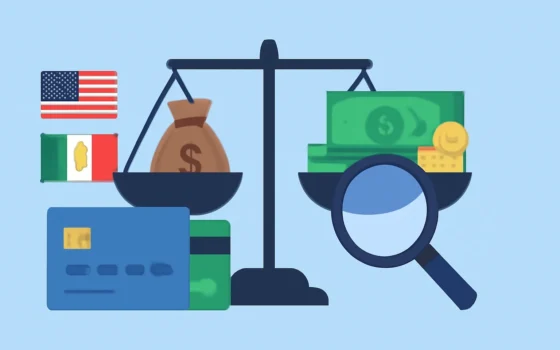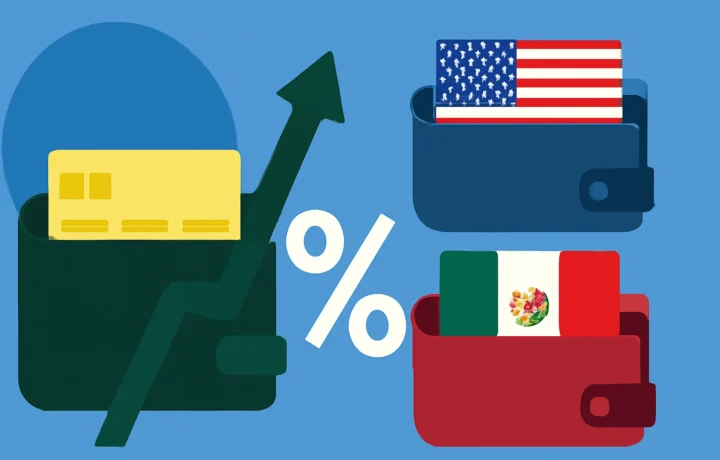
Los recientes cambios en las tasas de interés de las tarjetas de crédito han tomado por sorpresa a muchos consumidores, lo que podría incrementar el costo de mantener saldos pendientes. Si usa tarjetas de crédito en Estados Unidos o México, comprender estos cambios le ayudará a adaptarse y proteger sus finanzas de manera efectiva. Este artículo explica qué ha sucedido recientemente con las tasas de interés de las tarjetas de crédito y cómo afecta sus costos de endeudamiento.
Los tipos de interés de las tarjetas de crédito son un factor clave a la hora de gestionar deudas o realizar nuevas compras. Dado que estos tipos han aumentado debido a factores económicos, conviene que sepas cómo afecta esto a tus pagos mensuales y a tu estrategia crediticia si mantienes saldos pendientes.
¿Qué es la tasa de interés de las tarjetas de crédito y cómo funciona?
La tasa de interés de la tarjeta de crédito, también conocida como Tasa Anual Equivalente (TAE), es el costo que usted paga anualmente sobre cualquier saldo pendiente. Se expresa como un porcentaje y suele variar según la entidad emisora, el tipo de tarjeta y su historial crediticio.
Los intereses se calculan sobre cualquier importe no pagado en la fecha de vencimiento, generalmente a diario. Si paga el saldo completo mensualmente, normalmente evitará los cargos por intereses. Sin embargo, mantener saldos pendientes durante un tiempo implica que esos intereses aumentan directamente el coste de su deuda.
Los tipos de interés pueden ser fijos o variables; en Estados Unidos y México, los tipos variables dependen en gran medida de los tipos de referencia establecidos por las autoridades financieras. Cuando cambian las condiciones económicas o la inflación, estos tipos de referencia suelen subir, lo que provoca que las tasas de interés anuales de las tarjetas de crédito aumenten en consecuencia.
Beneficios clave y a quién va dirigido
- Estar informado conduce a mejores decisiones financieras: conocer las recientes subidas de los tipos de interés ayuda a los consumidores a planificar sus pagos para evitar intereses costosos y a considerar opciones de transferencia de saldo o de tipos de interés bajos que se ajusten a su perfil.
- Ideal para usuarios de tarjetas de crédito con saldos pendientes: Quienes residen en Estados Unidos o México y no pagan el saldo total de sus tarjetas de crédito cada mes son los que más se benefician al comprender estos cambios para minimizar los costos de intereses.
- Uso estratégico para préstamos: Si tiene intención de financiar una compra con su tarjeta o usar tarjetas para mayor flexibilidad, estar al tanto de las tasas de interés más altas le permite buscar la mejor tarjeta disponible o las mejores ofertas promocionales.
Qué tener en cuenta
- Aumento de los costes mensuales de la deuda: Las tasas de interés más altas de las tarjetas de crédito implican que los pagos mínimos podrían no reducir mucho el capital adeudado, lo que conlleva el riesgo de acumular deuda a largo plazo.
- Vencimiento de las tasas de interés promocionales: Muchas tarjetas ofrecen tasas introductorias bajas que pueden expirar y volver a tasas variables más altas. Preste mucha atención a estas fechas.
- Mayor riesgo de impago: El aumento de los tipos de interés también incrementa las cuotas mensuales, lo que puede provocar impagos y perjudicar su historial crediticio.
- Variabilidad entre los mercados de EE. UU. y México: Las políticas económicas difieren; mientras que las tasas estadounidenses suelen reaccionar a las decisiones de la Reserva Federal, las tasas mexicanas dependen de las acciones del Banco de México; comprender las condiciones locales es fundamental.
Paso a paso: Cómo adaptarse a los recientes cambios en las tasas de interés de las tarjetas de crédito
- Revise sus estados de cuenta actuales de la tarjeta de crédito: identifique su TAE actual, ya sea fija o variable, y compruebe si ha habido algún cambio reciente.
- Comprueba si hay tarifas promocionales próximas a caducar: ten en cuenta cuándo finalizan las ofertas de introducción y prepárate para tarifas más altas.
- Considere la posibilidad de reducir sus saldos de forma agresiva: priorice las deudas de tarjetas de crédito con las tasas de interés más altas para minimizar el aumento de los costos.
- Investigue las tarjetas de transferencia de saldo o las tarjetas con bajas tasas de interés: compare las ofertas de tarjetas de crédito de EE. UU. y México para obtener mejores tasas o períodos promocionales sin intereses.
- Elabore un presupuesto que tenga en cuenta posibles aumentos en los pagos: asegúrese de que sus finanzas puedan soportar incrementos en los pagos sin incumplir las fechas de vencimiento.
- Contacta con la entidad emisora de tu tarjeta: En ocasiones es posible negociar un tipo de interés más bajo, especialmente si tienes un buen historial de pagos.
Consejos para sacar el máximo provecho de sus tarjetas de crédito tras los cambios en las tasas de interés.
- Pague el importe total cuando sea posible: Evite los cargos por intereses liquidando el saldo cada mes.
- Utilice la transferencia de saldos con prudencia: transferir saldos a ofertas con un 0% de TAE puede ahorrarle intereses, pero tenga cuidado con las comisiones por transferencia.
- Configura pagos automáticos: Evita los recargos por mora que agravan tus problemas de deuda.
- Controla tu historial crediticio: Presta atención para asegurarte de que el aumento de los costes no provoque impagos que perjudiquen tu puntuación.
- Aprovecha las tarjetas con recompensas y reembolsos: con tasas de interés más altas, concéntrate en las tarjetas que ofrecen recompensas; estas pueden compensar algunos costos si pagas a tiempo.
¿Merece la pena? Nuestra opinión
Con las recientes subidas de los tipos de interés de las tarjetas de crédito tanto en Estados Unidos como en México, mantener saldos pendientes se ha encarecido. Los consumidores que pueden pagar sus saldos mensualmente no se ven afectados por el aumento de los tipos de interés anuales, así que si eres puntual con tus pagos, el impacto es mínimo.
Sin embargo, si sueles tener deudas, conviene comparar opciones ahora. Busca tarjetas de crédito con tasas de interés más bajas, ofertas de transferencia de saldo o recompensas para reducir tus gastos. Actualizar tu presupuesto para incluir pagos más altos también protegerá tu salud financiera.
En resumen, comprender los cambios recientes y gestionar de forma proactiva el uso del crédito es fundamental. Si utiliza tarjetas de crédito rotativas en estos mercados, vale la pena invertir tiempo en explorar sus opciones y ajustar su estrategia. De lo contrario, considere minimizar su deuda para evitar el mayor costo del crédito.