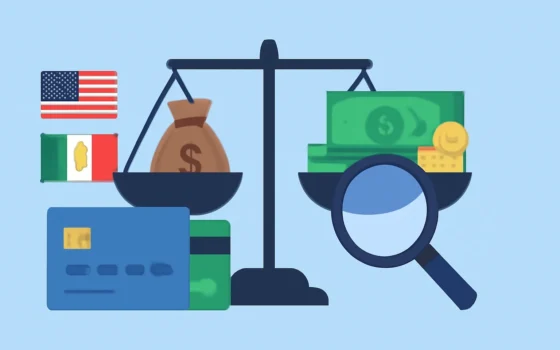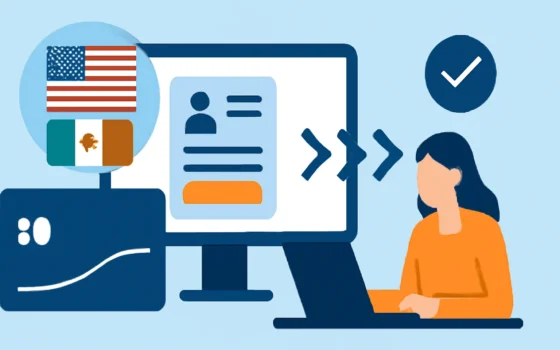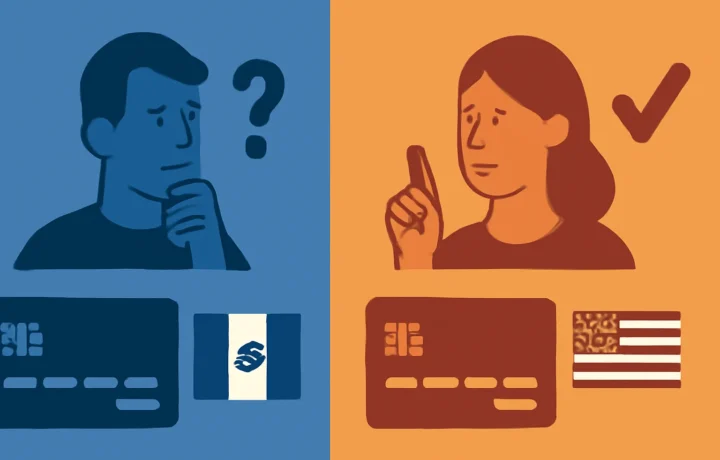
¿Confundido acerca del uso de tarjetas de crédito en Estados Unidos y México? Muchos consumidores se enfrentan a mitos que pueden llevarlos a cometer errores costosos con sus tarjetas de crédito, desde cómo funcionan los intereses hasta los programas de recompensas. Entender la verdad detrás de las ideas erróneas más comunes sobre las tarjetas de crédito te ayudará a administrar tu crédito con inteligencia y a aprovechar los mejores beneficios disponibles en ambos países.
Este artículo aclara los mitos y verdades más frecuentes sobre las tarjetas de crédito, relevantes para los consumidores que exploran opciones financieras en Estados Unidos y México, brindándoles la información necesaria para tomar decisiones crediticias más inteligentes.
¿Qué es el uso de tarjetas de crédito en Estados Unidos y México y cómo funciona?
Las tarjetas de crédito permiten a los consumidores de ambos países obtener préstamos hasta un límite establecido para compras o adelantos en efectivo, con reembolsos generalmente mensuales. Estas tarjetas suelen ofrecer recompensas, comisiones y tasas de interés que varían considerablemente.
Entre los términos importantes se incluyen:
- TAE (Tasa Anual Equivalente): El tipo de interés anual sobre los saldos impagados.
- Periodo de gracia: Tiempo para pagar el saldo sin intereses.
- Límite de crédito: Cantidad máxima que se puede pedir prestada con la tarjeta.
Es fundamental comprender estos términos, ya que las tarjetas estadounidenses y mexicanas pueden tener políticas diferentes, como por ejemplo la forma en que se acumulan los puntos de recompensa o cómo se tratan las transacciones en el extranjero.
Beneficios clave y a quién va dirigido
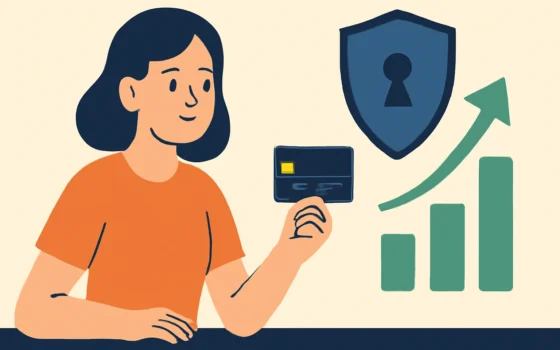
- Cómo construir un historial crediticio: El uso responsable del crédito puede ayudar a mejorar la puntuación crediticia, algo importante para obtener préstamos y mejores servicios financieros.
- Comodidad y seguridad: Más seguro que el efectivo para las transacciones diarias, con protección contra el fraude.
- Recompensas y beneficios: Puntos, reembolsos en efectivo o ventajas de viaje que varían según la tarjeta (estadounidense o mexicana).
- Acceso a fondos de emergencia: Útil para gastos inesperados o emergencias de viaje.
Esta opción es ideal para consumidores con ingresos estables que pueden pagar sus saldos mensualmente o gestionar créditos con intereses bajos. Los viajeros frecuentes entre Estados Unidos y México también se benefician de tarjetas diseñadas para gestionar el cambio de divisas de forma eficiente.
Qué tener en cuenta
- Tipos de interés elevados: Mantener un saldo pendiente puede generar una deuda significativa debido a las tasas de interés anuales (APR) generalmente altas.
- Comisiones: Las comisiones por transacciones en el extranjero y las cuotas anuales pueden reducir el valor de las recompensas, especialmente en el caso de usos transfronterizos.
- Impacto en la calificación crediticia: El mal uso de las tarjetas de crédito puede perjudicar su historial crediticio, lo que encarece los préstamos futuros.
- Recompensas confusas: Algunas recompensas requieren un gasto mínimo o tienen fechas de vencimiento, lo que reduce los beneficios.
Desconfía de las ofertas que parecen demasiado buenas para ser verdad y asegúrate de comprender los términos antes de presentar tu solicitud.
Paso a paso: Cómo evitar los mitos más comunes sobre las tarjetas de crédito
- Verifica la fuente: Consulta los sitios web oficiales del banco o emisor para obtener información precisa sobre las tarjetas de crédito en tu país.
- Comparación de tarjetas: Antes de solicitar una tarjeta, revisa las comisiones, la TAE y los programas de recompensas tanto en el mercado estadounidense como en el mexicano.
- Lea la letra pequeña: comprenda detenidamente términos como períodos de gracia y cargos por penalización.
- Haga preguntas: Consulte con el servicio de atención al cliente o con sus asesores financieros sobre cualquier característica o limitación de su tarjeta de crédito que no le quede clara.
- Supervise los extractos: revise periódicamente la actividad y los cargos para detectar errores o fraudes a tiempo.
Consejos para sacar el máximo provecho de las tarjetas de crédito
- Pague el saldo completo mensualmente: Evite los cargos por intereses liquidando la totalidad de su deuda.
- Utilice las recompensas estratégicamente: elija tarjetas con beneficios que se ajusten a sus hábitos de gasto y necesidades de viaje.
- Mantenga un bajo nivel de utilización de su crédito: Mantenga los saldos por debajo del 30% de su límite para proteger su puntaje crediticio.
- Aproveche las ventajas de las transacciones en el extranjero: para los usuarios que realizan transacciones transfronterizas entre EE. UU. y México, seleccione tarjetas con comisiones por transacciones en el extranjero bajas o nulas.
- Manténgase al tanto de los términos: Las ofertas y políticas de las tarjetas cambian con frecuencia; revise los términos anualmente.
¿Merece la pena? Nuestra opinión
Comprender la realidad y desmentir los mitos sobre las tarjetas de crédito en Estados Unidos y México es fundamental para una gestión financiera inteligente. Para los consumidores responsables, las tarjetas de crédito ofrecen comodidad, recompensas y oportunidades para construir un buen historial crediticio en ambos mercados.
Sin embargo, si tiene dificultades para pagar sus saldos o incurre con frecuencia en comisiones, los métodos de pago alternativos o las opciones de crédito garantizadas podrían ser más seguros. En general, conviene comparar cuidadosamente las opciones de tarjetas, priorizando aquellas que se ajusten a sus hábitos de gasto y necesidades internacionales, para maximizar los beneficios y minimizar los riesgos.