Struggling with multiple credit card debts? Understanding the difference between a credit card balance transfer and a debt consolidation loan can save you money and simplify your finances. These are two popular strategies to manage and reduce debt, but they work quite differently.
In this article, you'll learn how each option works, who benefits most from them, what risks to watch out for, and which one could be the best fit for your financial situation.
What Is a Credit Card Balance Transfer and a Debt Consolidation Loan, and How They Work
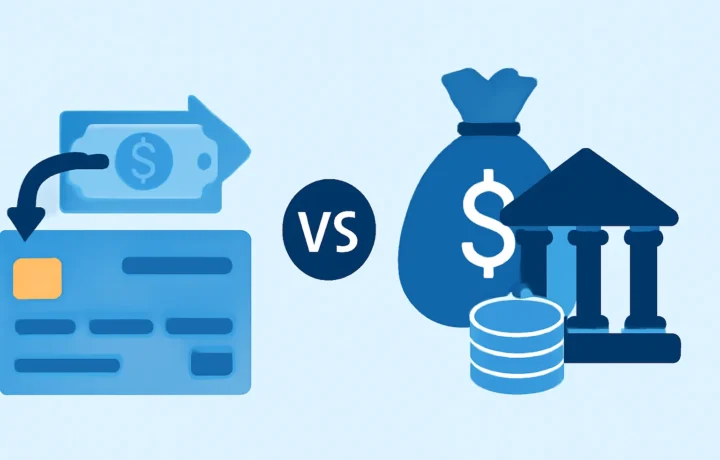
A credit card balance transfer involves moving one or more high-interest credit card balances onto a new credit card that offers a promotional low or 0% introductory APR for a limited period. The goal is to reduce interest costs and pay down debt faster.
A debt consolidation loan is a personal loan specifically used to pay off multiple debts. After getting the loan, you make one monthly payment to the lender instead of managing several. Unlike balance transfers, these loans usually have fixed interest rates and terms ranging from months to years.
Some relevant terms you might encounter include: APR (annual percentage rate), introductory rate, principal (amount borrowed), and term (loan length or promotional period).
Key Benefits and Who It Is For
- Credit Card Balance Transfer: Best for consumers with good to excellent credit who can pay off their balance before the introductory period ends. Benefits include lower interest costs during the promo period and simplified payments if you consolidate multiple cards into one.
- Debt Consolidation Loan: Ideal for borrowers who prefer predictable fixed payments and want to know exactly when their debt will be repaid. This works well for those with varying credit profiles and for consolidating different types of debt beyond credit cards.
- Both options help improve monthly cash flow and potentially boost credit scores by lowering credit utilization and simplifying payments.
What to Watch Out For
- Balance transfers typically charge a fee (usually 3%-5% of the transferred amount) and the introductory 0% APR eventually expires, after which the rate can jump significantly.
- Debt consolidation loans may have origination fees and usually require a good credit score to access the best rates.
- Both options don't address the root cause of debt; Continuing to accumulate new debt while using these tools can worsen your financial situation.
- Missing payments on either can damage your credit score and result in penalties.
Step-by-Step: How to Choose Between a Balance Transfer and a Debt Consolidation Loan
- Assess your total debt amount, monthly budget, and credit scores.
- Calculate how long it will take you to pay off the debts using your current payments.
- Check credit cards offering balance transfer promotions and compare their fees and length of 0% APR.
- Compare personal loan options for debt consolidation, focusing on interest rates, loan terms, and fees.
- Estimate your total repayment in both scenarios including fees.
- Consider your repayment discipline: can you pay off before balance transfer promo ends or prefer fixed loan terms?
- Make sure you won't add new debt on other credit cards after the consolidation step.
- Apply for the option that best fits your timeline, fees, and credit profile.
Tips to Get the Most Out of Debt Consolidation Options
- Pay off the transferred balance quickly to avoid high post-promo interest rates.
- Set up automatic payments to avoid missed payments and fees.
- Use budgeting tools or apps to track your progress and spending habits.
- Consider credit counseling if your debt is overwhelming before applying for either option.
- Regularly monitor your credit report to understand how consolidation affects your credit health.
Is It Worth It? Our Take
Both credit card balance transfers and debt consolidation loans can be effective tools to reduce debt costs and simplify payments, but they serve different needs. If you qualify for a strong balance transfer offer and can repay quickly, it can be the cheapest option. However, if you prefer fixed payments and longer repayment periods without surprises, a debt consolidation loan may suit you better.
It is worth comparing offers carefully and considering your spending behavior before choosing. For those committed to paying down debt without adding more, either option can be a good step toward financial stability.