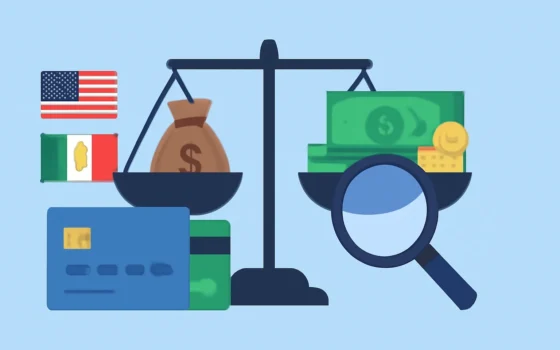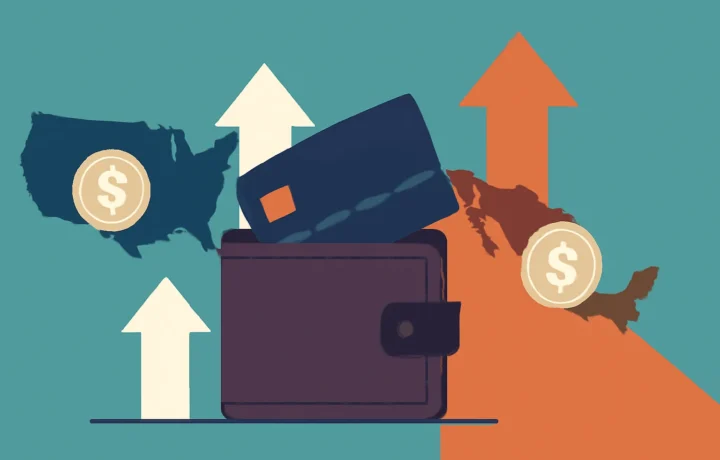
Recent changes in credit card Annual Percentage Rates (APR) directly affect millions of consumers across the US and Mexico. Understanding what these changes mean for your wallet can help you manage debt more efficiently and avoid unexpected costs.
Credit card APR determines how much interest you pay on outstanding balances, so even slight adjustments can impact your monthly bills and long-term financial health. This article explains these recent updates, how they work, and practical steps to adapt.
What Is Credit Card APR and How It Works
The Annual Percentage Rate (APR) on a credit card reflects the annual cost of borrowing, expressed as a percentage. It combines interest rates with fees spread over a year to show how expensive carrying a balance can be.
For consumers, APR determines the interest you pay if you don't pay your full balance by the due date. In the US and Mexico, variable APRs often fluctuate based on benchmark interest rates or policy decisions by banks and regulators.
Common APR types include purchase APR (applied to regular purchases), balance transfer APR (for transferred balances), and cash advance APR (usually higher for cash withdrawals).
Key Benefits and Who It Is For
- Consumers with balances: Understanding APR changes helps manage debt costs and reduce interest charges.
- New applicants: Knowing current APR norms enables comparison to find the best credit card offers available today.
- Credit card users in US and Mexico: Recent regulatory changes affect the cost of credit in both markets, so staying informed benefits cross-border consumers.
- Financial planners and advisors: Keeping up with APR shifts helps guide clients toward smarter credit usage.
What to Watch Out For
- Rising APRs increase borrowing costs: Higher rates mean carrying debt becomes more expensive, especially for consumers with large credit card balances.
- Variable APR risks: If your card's APR is tied to indices like the US prime rate, any rate hike leads to higher interest charges even if your credit standing doesn't change.
- Promotional rate expirations: Many cards offer introductory APRs that revert to higher standard rates—knowing when these expire is critical to avoid surprise costs.
- Cross-border differences: APR regulations and average rates vary between the US and Mexico, which can complicate decisions for travelers or remote workers.
Step-by-Step: How to Adapt to Recent APR Changes
- Review your current credit card statements to identify your effective APR rates across purchase, balance transfer, and cash advance.
- Check recent communications from your card issuer explaining changes in APR due to regulatory updates or benchmark interest changes.
- Compare your current APR with offers from other cards available in the US and Mexico markets; focus on cards featuring low or fixed APRs.
- Calculate potential savings by transferring balances to a card with a lower APR or taking advantage of promotional offers.
- Strategize repayment plans by prioritizing cards with the highest APR to minimize interest expenses over time.
- Consider contacting your credit card issuer to negotiate a lower APR or switch to a card better suited to your financial profile.
Tips to Get the Most Out of It
- Pay off your statement balance in full each month to avoid any interest charges regardless of APR changes.
- Set up autopayments to avoid late fees that can increase APR or trigger penalty rates.
- Use online tools and apps that alert you to upcoming APR adjustments from your issuer.
- Monitor benchmark rates like the US prime rate, as many card APRs change in tandem with these indexes.
- When applying for new cards, prioritize those with transparent APR terms and minimal fees to limit surprises.
Is It Worth It? Our Take
Recent APR changes demand active management of credit card balances to avoid inflated interest costs. If you carry a balance regularly, it is worth comparing the current APRs across several cards in your region and considering balance transfers or new low-APR offers.
For those who pay their balances monthly, these changes have less impact but still warrant awareness to avoid future costs. Consumers in both the US and Mexico should stay informed, as evolving financial regulations and market conditions will continue to affect credit cards' cost structures.
Overall, proactive credit management combined with smart choices about where to carry debt can minimize the financial impact of these changes. It is advisable to review your credit card portfolio periodically and consult with financial professionals if needed.