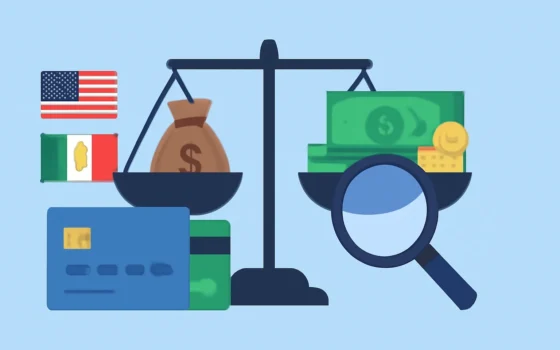
Las tarjetas de crédito son herramientas financieras poderosas, pero los errores comunes pueden acumularse rápidamente y vaciar tu billetera. Entender estos costosos errores es clave para administrar tu crédito sabiamente y ahorrar dinero. Desde Estados Unidos hasta México, los consumidores a menudo caen sin darse cuenta en trampas que aumentan los intereses, las comisiones y dañan su puntaje crediticio. Este artículo analiza los errores más frecuentes y las estrategias prácticas para evitarlos.
Tanto si eres nuevo en el mundo de las tarjetas de crédito como si llevas años usándolas, reconocer estos errores puede ayudarte a conservar más dinero y a que las tarjetas de crédito trabajen a tu favor, y no en tu contra.
¿Qué es un error con la tarjeta de crédito y cómo funciona?
Un error con la tarjeta de crédito se refiere a una acción u omisión que afecta negativamente tus finanzas al usarla. Esto incluye comportamientos como no realizar pagos, mantener saldos elevados o no comprender los términos y condiciones. Dichos errores pueden generar altos intereses, cargos por mora e incluso dañar tu historial crediticio, lo que limita tu capacidad de endeudamiento en el futuro.
Las tarjetas de crédito en Estados Unidos y México operan con características específicas como tasas de interés (TAE), periodos de gracia, pagos mínimos y comisiones. Un manejo inadecuado de estos elementos, debido a errores comunes, implica pagar más a largo plazo y perjudicar tu estabilidad financiera.
Beneficios clave y a quién va dirigido
- Ahorro de costes: Evitar errores como los pagos atrasados le ahorra costosos cargos e intereses elevados, lo que le ayuda a conservar más dinero.
- Protección de la puntuación crediticia: Estar al tanto de los riesgos preserva la salud de su historial crediticio, algo esencial para obtener préstamos y mejores ofertas de tarjetas de crédito.
- Mejor control financiero: Aprender a identificar los errores comunes ayuda a los consumidores de todos los niveles a usar las tarjetas de crédito de manera responsable, desde estudiantes hasta profesionales en activo en Estados Unidos y México.
- Maximización de las recompensas: Comprender cómo evitar errores puede desbloquear todo el potencial de los programas de recompensas sin que se vean contrarrestados por comisiones o intereses.
Este consejo es ideal para cualquier persona que utilice tarjetas de crédito, especialmente para aquellos que buscan formas prácticas de evitar perder dinero por problemas prevenibles.
Qué tener en cuenta
- Ignorar los plazos de pago: Los pagos atrasados o no realizados generan altos recargos y perjudican el historial crediticio.
- Mantener saldos elevados: Un alto uso del crédito aumenta los pagos de intereses y reduce la puntuación crediticia.
- Realizar únicamente los pagos mínimos: Prolonga la deuda y aumenta drásticamente los costes totales de intereses.
- No tener en cuenta las comisiones: Las comisiones anuales, las comisiones por transacciones en el extranjero y las penalizaciones pueden mermar sus fondos silenciosamente.
- Solicitar demasiadas tarjetas de crédito: Realizar varias consultas de crédito puede reducir su puntaje crediticio y aumentar el riesgo de endeudamiento.
Reconocer estos riesgos le ayudará a tomar decisiones informadas y a evitar gastos innecesarios.
Paso a paso: Cómo evitar errores comunes con las tarjetas de crédito
- Configura recordatorios de pago: utiliza aplicaciones o alertas de calendario para no olvidar nunca las fechas de vencimiento.
- Pague más del mínimo: Procure pagar el saldo total de su estado de cuenta cada mes siempre que sea posible.
- Mantén bajo el uso de tu crédito: Intenta usar menos del 30% de tu crédito disponible para mantener una buena puntuación crediticia.
- Entienda todas las comisiones: Lea la letra pequeña de los términos y condiciones de su tarjeta para saber qué comisiones se aplican.
- Limita las solicitudes de nuevas tarjetas de crédito: Solicita crédito solo cuando sea necesario e investiga las tarjetas que mejor se adapten a tus objetivos financieros.
- Revise sus extractos bancarios con atención: compruebe sus extractos mensuales para detectar errores o transacciones fraudulentas.
Consejos para sacar el máximo provecho de tus tarjetas de crédito
- Utiliza tus recompensas con inteligencia: elige tarjetas que se ajusten a tus hábitos de gasto y canjea tus puntos estratégicamente.
- Aproveche las ofertas de lanzamiento: Benefíciese de períodos con un 0% de TAE para compras importantes o transferencias de saldo.
- Automatiza tus pagos: Vincula tu cuenta bancaria para automatizar los pagos y evitar retrasos.
- Supervise su puntaje crediticio con regularidad: utilice herramientas de verificación gratuitas para controlar su historial crediticio y detectar problemas a tiempo.
- Infórmese: Manténgase al día sobre los términos de las tarjetas de crédito, los cambios en las regulaciones y las mejores prácticas financieras personales tanto en el mercado estadounidense como en el mexicano.
¿Merece la pena? Nuestra opinión
Evitar los errores comunes con las tarjetas de crédito no solo vale la pena, sino que es fundamental para quienes desean proteger sus finanzas y aprovechar al máximo los beneficios que ofrecen. Quienes se toman el tiempo para comprender los términos de sus tarjetas y administran sus pagos de manera responsable ahorrarán dinero, mantendrán un buen historial crediticio y accederán a más oportunidades financieras.
Para los consumidores que encuentran difícil administrar sus tarjetas de crédito o que han acumulado una deuda elevada, consultar con un asesor financiero o de crédito puede ser una buena opción. Sin embargo, para la mayoría de los usuarios, adoptar las estrategias aquí descritas ofrece una manera sencilla de mejorar la administración de su dinero y reducir los gastos innecesarios.
Al solicitar una tarjeta de crédito, conviene comparar las opciones disponibles y leer atentamente los términos y condiciones. No todas las tarjetas ni ofertas son adecuadas para todos, así que verifica cuál se ajusta mejor a tu perfil de gastos y objetivos financieros antes de comprometerte.