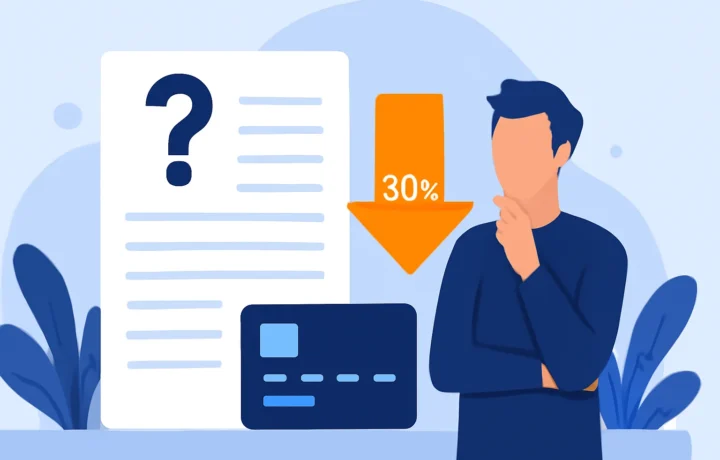
Struggling with a high credit card bill? Many consumers in the US and Mexico look for effective ways to reduce their credit card bills by 30% or more. This guide answers common questions about lowering monthly payments, managing balances, and avoiding extra fees.
By understanding practical strategies and pitfalls, you can take control of your credit costs and improve your financial health. Keep reading to get clear, actionable answers tailored to your needs.
What Is a Credit Card Bill and How Does It Work?
A credit card bill is the statement you receive each month showing all the purchases, fees, interest charges, and payments made on your credit card account. It includes your balance due and minimum payment amount. Understanding this statement is crucial to managing and reducing your credit card bill .
Credit cards allow you to borrow money up to a set limit and repay it over time. Interest is charged on any unpaid balance after the billing cycle. Fees may also apply for late payments, cash advances, or going over the credit limit.
Key Benefits of Reducing Your Credit Card Bill by 30%
- Lower monthly expenses: Cutting your bill by a significant percentage frees up money for savings or essential spending.
- Improved credit score: Paying down balances reduces your credit utilization ratio, which positively impacts your credit rating in both US and Mexican credit bureaus.
- Reduced interest charges: Paying more than the minimum balance decreases total interest over time, saving you money.
- Better financial control: Learning how to manage your credit card effectively helps avoid future debt spirals or fees.
This approach is ideal for consumers who have high credit card balances, are paying mostly minimum amounts, or want to regain financial stability.
What to Watch Out For When Trying to Reduce Your Credit Card Bill
- Minimum payment traps: Paying only the minimum extends debt and increases interest costs.
- Balance transfer pitfalls: Transferring balances to lower-rate cards might include fees or promotional period limits.
- Ignoring fees and penalties: Late payments or exceeding credit limits can add costly fees that negate your efforts.
- Overusing cash advances: These often have higher interest rates and no grace period.
- Predatory offers: Beware of quick-fix solutions that might hurt your credit or trap you in higher debt.
Step-by-Step: How to Reduce Your Credit Card Bill by 30%
- Review your statement: Identify all charges, fees, and interest rates on your credit card bill.
- Make more than the minimum payment: Even a small increase reduces interest and shortens payoff time.
- Negotiate with your issuer: Ask for lower interest rates or waive certain fees; Many lenders offer hardship options.
- Consider balance transfers: Move high-interest debt to a card with a lower APR, but check fees and terms.
- Set a strict budget: Limit credit card usage and prioritize payments to avoid growing balances.
- Use automated payments: Avoid late fees and penalties by scheduling payments on time.
- Monitor regularly: Track your bill monthly to stay on target and adjust your strategy.
Tips to Get the Most Out of Reducing Your Credit Card Bill
- Use a debt payoff calculator: Estimate how extra payments accelerate payoff and save on interest.
- Avoid unnecessary purchases: Pause non-essential spending until your card balance is under control.
- Explore fintech tools: Many apps help track expenses and optimize repayment strategies.
- Combine payments: Consolidate smaller credit card debts into a personal loan if the rate is better.
- Understand billing cycles: Pay before cutoff dates to reduce interest on new purchases.
Is It Worth It? Our Take on Reducing Credit Card Bills by 30%
Reducing your credit card bill by 30% is not only possible but highly beneficial for most consumers. It lowers financial stress, improves credit standing, and saves money on interest. For those facing high-interest debt or tight budgets in the US and Mexico, taking these steps is worth considering carefully.
However, if your debt is extremely high or you struggle with impulse spending, seek professional advice or debt counseling alongside these methods. Overall, it is worth comparing your options, finding what fits your profile, and committing to consistent payment habits to gain long-term financial health.